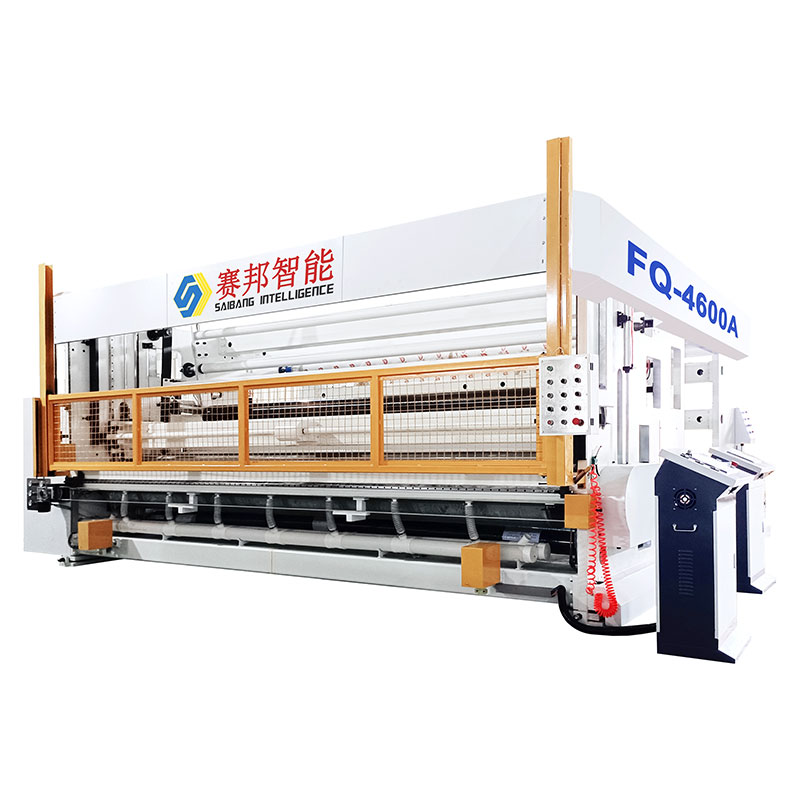


How Can Fabric Roll Cutter Slitting Machine Improve Delivery Speed For Custom Width Fabric Orders?
Custom width fabric orders are difficult because the machine does not run one fixed specification all day. A textile converter may receive one order for wide nonwoven rolls in the morning, another order for narrow strips in the afternoon, and a small urgent batch before shipment cut-off. The real pressure is not only cutting fabric. It is changing width quickly without creating too much setup waste.
For textile factories, nonwoven suppliers, hygiene material producers, packaging fabric converters, and fabric processing plants, a fabric roll cutter Slitting Machine should be judged by how fast it moves from one order width to the next stable production run.
The Order Clock Starts Before Cutting
Width Confirmation Must Be Faster
Custom orders usually begin with different finished widths, roll diameters, and material types. If the sales team confirms the order but the production team needs a long time to reset knife positions, the promised delivery date becomes risky.
A fabric slitting line with automatic knife arrangement can reduce this delay. The machine can complete automatic knife arrangement in about 3 minutes, helping factories move faster when customers request different widths in one production schedule.
The First Stable Roll Matters Most
In small-batch orders, factories cannot afford long trial runs. Every meter used for adjustment becomes direct material loss. The faster the machine reaches stable cutting width and clean edge quality, the sooner the order becomes profitable.
This is why delivery speed should be measured from setup to qualified output, not only by the maximum running speed.
Changeover Speed Depends On More Than One Button
Knife Positioning Reduces Manual Guesswork
Manual knife setting often depends on skilled operators. When order widths change frequently, this creates human error and slows production. Wrong positioning may cause uneven width, repeated adjustment, or rejected rolls.
The fabric slitting machine uses an automatic knife arrangement positioning system, which helps reduce repeated manual measuring and improves width adjustment efficiency.
Servo Synchronization Keeps Production Smooth
After the width is set, the fabric still needs stable movement through unwinding, slitting, and rewinding. If speed is not synchronized, the material may stretch, wrinkle, or drift.
Servo drive control supports coordinated machine movement. For custom width orders, this helps the line move from setup to stable production with fewer corrections.
Material Variety Affects Delivery Planning
Nonwoven Orders Are Not All The Same
Spunlaced nonwoven, spunbonded nonwoven, hot air nonwoven, hot rolled nonwoven, melt-blown nonwoven, fluffy nonwoven, puffing paper, and air-laid paper can behave differently during slitting.
Some materials are soft. Some are more sensitive to tension. Some need cleaner edge control. A machine that can adapt to several materials gives factories more room to accept mixed customer orders without moving every job to a different line.
Wide Rolls Need Better Scheduling
The equipment supports 3000–4600mm material width. For factories handling wide nonwoven or fabric rolls, this helps reduce the need to pre-cut parent rolls before slitting. One wide-width machine can serve more finished width combinations, which is useful when order specifications change often.
Delivery Speed Still Needs Cutting Accuracy
Fast Output Is Useless If Width Is Rejected
Customers ordering custom fabric widths usually have clear downstream use: diapers, masks, wet wipes, packaging materials, clothing accessories, automobile interior materials, or filter materials. If width accuracy is unstable, the customer may reject the roll even if delivery is fast.
The machine can control fabric slitting dimensional accuracy around ±0.1mm under suitable production conditions. For converters, this supports faster delivery because fewer rolls need rework after inspection.
Edge Quality Saves Time After Slitting
Poor cutting edges create extra checking, trimming, or repacking. In urgent orders, this can ruin the delivery schedule. Blade condition, fabric tension, and roll alignment should be checked before running custom batches.
A good production plan should include blade inspection before width change, especially when switching between different materials.
Rewinding Decides Whether The Roll Can Ship
Custom Orders Need Clean Finished Rolls
A roll with the right width may still fail shipment if the rewinding is loose, wrinkled, or uneven. Finished roll appearance affects warehouse handling, packaging, and customer acceptance.
The machine supports large roll handling, with Φ1300mm unwinding diameter and Φ900mm winding diameter. Fewer interruptions can help production stay continuous when processing large parent rolls for multiple custom widths.
Stable Tension Reduces Last-Minute Problems
Tension adjustment helps keep the fabric stable during slitting. Too much tension may stretch or deform the material. Too little tension may cause wrinkles, deviation, or uneven winding.
For factories under delivery pressure, stable tension control reduces the chance that problems appear only at the final inspection stage.
How Factories Can Quote Custom Width Orders More Confidently
Build A Width Changeover Record
Factories should record common order widths, knife setting time, setup waste, stable speed, material behavior, and final roll quality. Over time, this helps the sales team quote delivery time more accurately.
Group Similar Orders Together
When possible, arrange orders with similar widths or materials in the same production window. This reduces knife reset frequency and helps keep the line stable.
Keep Operators Working From Stored Parameters
Digital operation allows production parameters to be set and adjusted more clearly. For repeat customers, saved or recorded settings help the team avoid starting every order from zero.
Make Custom Width Orders Easier To Deliver
A fabric roll cutter slitting machine can improve delivery speed when it shortens knife adjustment, stabilizes tension, controls width accuracy, supports wide roll processing, and reduces rework before shipment. For factories handling custom fabric, nonwoven, packaging material, hygiene material, filter material, or clothing accessory orders, fast delivery comes from stable changeover, not only high speed.
For your next fabric slitting project, send the parent roll width, target finished widths, material type, roll diameter, required accuracy, and changeover frequency. Our team can help review the machine configuration so your production line can handle custom width orders with faster setup, fewer trial meters, and more reliable shipment timing.