

How Can Automatic Slitting Machine Reduce Material Waste In High-Volume Roll Processing?
In roll processing, waste does not only come from rejected rolls. It also hides in edge trim, wrong-width output, restart scrap, tension wrinkles, blade burrs, and the few meters lost every time the operator adjusts the line. For packaging film, laminated paper, air-laid paper, puffing paper, and flexible materials, these small losses can become a large cost when production runs every day.
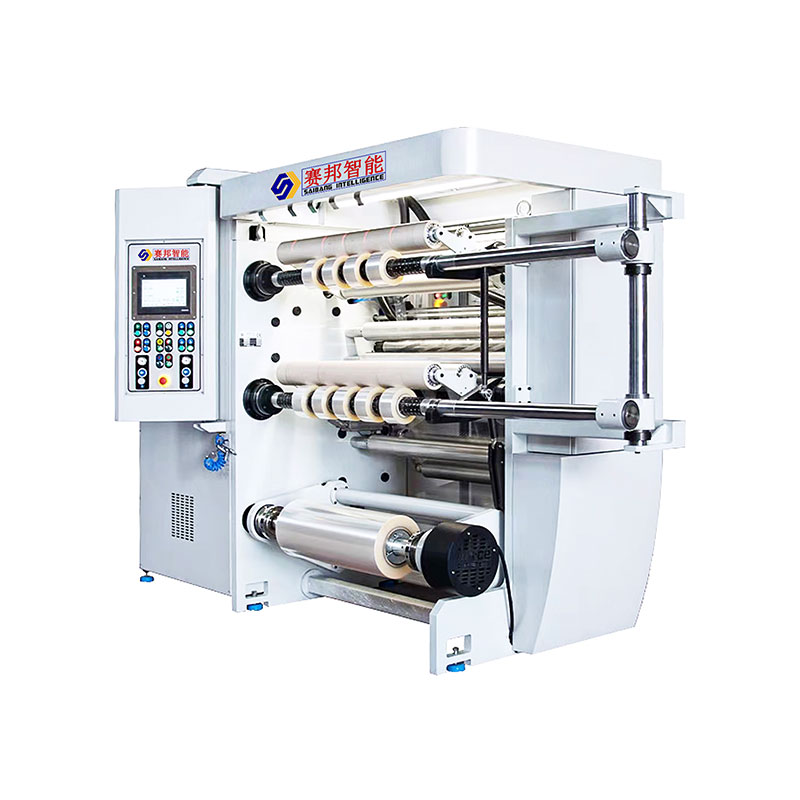
An Automatic Slitting Machine helps factories control this waste by making width setting, tension control, cutting speed, rewinding quality, and operator adjustment more predictable. For converters and packaging material producers, the goal is not only faster slitting. The real value is getting more sellable rolls from the same parent roll.
Where Material Waste Usually Appears On The Slitting Line
Edge Trim Becomes Wider Than Planned
A small trimming allowance may look acceptable during setup. But in high-volume production, every extra millimeter becomes repeated waste. When guide control, blade position, or web tracking is unstable, operators often leave more margin to avoid customer rejection.
This protects the order temporarily, but it increases material loss. Better slitting accuracy allows the factory to keep trim width closer to the real requirement instead of using excessive safety margins.
Width Error Creates Unsellable Rolls
If finished roll width is unstable, the downstream customer may reject the batch or downgrade it. This is common in packaging, printing, laminating, label material, hygiene material, and composite roll supply.
The film and paper automatic slitting machine supports high-precision synchronous control, with slitting accuracy around ±0.1mm. For factories processing repeat roll orders, stable width control helps reduce disputes after delivery.
Why Speed Alone Does Not Reduce Cost
Fast Running Can Create Faster Waste
A machine running at high speed is only valuable when the roll stays stable. If speed changes cause stretching, wrinkles, breakage, or uneven rewinding, the factory may lose more material even while output looks higher on paper.
This slitting machine offers a 300–800m/min adjustable speed range. More importantly, speed changes can be managed through digital control, so the line does not need to jump suddenly between slow setup and full production speed.
Servo Synchronization Keeps The Web More Stable
When unwinding, slitting, and rewinding are not synchronized, the web may pull unevenly. Thin film can stretch. Paper may wrinkle. Laminated materials may show edge defects.
The servo drive system helps keep each section coordinated, which reduces the chance of material deformation during cutting and rewinding.
How Better Setup Reduces Start-Up Scrap
Recipe Storage Helps Repeat Orders
Many factories lose material at the beginning of each job because operators need to reset width, speed, tension, and roll parameters. If the same customer order returns every month, this repeated setup waste becomes unnecessary.
The control system can store multiple production recipes, allowing operators to call back previous settings more quickly. For converters handling repeat widths and regular customer jobs, this reduces trial runs before stable output begins.
Modular Adjustment Shortens Changeover Waste
When order widths or material types change frequently, slow adjustment creates more scrap. A modular design allows unwinding, slitting, and rewinding sections to be adjusted more independently, which helps factories respond to different materials without rebuilding the whole process each time.
For custom roll orders, this matters because the buyer is often paying for flexibility, not only volume.
Rewinding Quality Decides Whether The Roll Can Be Sold
Loose Or Uneven Rolls Create Hidden Loss
A finished roll may have the correct width but still fail customer inspection if the winding is loose, telescoped, wrinkled, or uneven at the edge. These rolls may need rework, trimming, or repacking.
The machine supports up to 800mm unwinding diameter and 500mm rewinding diameter, helping production teams handle larger coils with fewer interruptions. Fewer roll changes also reduce the waste created during restart and alignment.
Blade Condition Should Be Managed Like A Cost Item
Dull blades create burrs, dust, rough edges, and uneven cuts. Operators may slow the line or repeat trimming to compensate, both of which increase production cost.
For factories running large orders, blade inspection should be linked to material type and operating hours. Clean cuts protect both finished roll quality and material yield.
A Smarter Way To Calculate Slitting Waste
Before investing in new slitting equipment, factories should not only ask about speed. They should calculate:
How much trim waste is generated per parent roll
How often width deviation causes customer complaints
How much material is lost during setup
How many meters are scrapped after web breaks
How often rolls need rework after rewinding
How much time is lost during changeover
How many operators are needed to stabilize the line
This gives buyers a clearer view of real production cost.
Turn Roll Processing Into Better Material Yield
A good slitting line should help the factory produce more qualified rolls from the same material input. For packaging film, laminated paper, air-laid paper, composite materials, and flexible packaging rolls, that means accurate width, controlled tension, cleaner cutting, stable rewinding, and faster repeat-job setup.
For factories planning a new automatic slitting machine order, come to us with the material type, parent roll width, target finished width, roll diameter, speed requirement, waste problem, and changeover frequency. Our team can help review the slitting configuration so your production line reduces edge loss, setup scrap, width rejection, and unnecessary material waste.