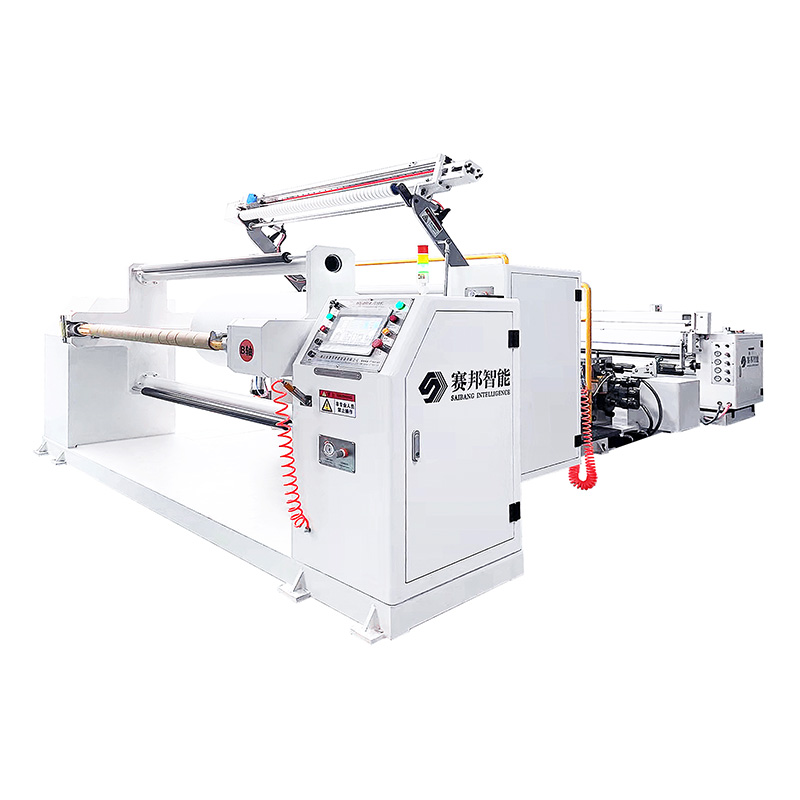


Is Misalignment Ruining Your Margins? Solving Registration Issues on a Commercial Die Cutting Embossing Machine
For commercial packaging printers executing high-end cosmetic boxes, wine gift sets, or luxury electronics housing, profitability depends entirely on the scrap rate. In the premium print finishing sector, the most technically demanding layouts involve multi-pass operations—specifically, hot foil stamping followed by precise blind embossing and final scoring. The single greatest drain on a plant’s operational margin is a registration shift during the final finishing pass. When sheets of expensive textured board or imported specialty paper slide even a fraction of a millimeter out of alignment, the embossed texture fails to match the pre-printed design.
This mechanical variance renders the entire batch unsalable. Because these luxury packaging materials often cost five to ten times more than standard clay-coated newsback (CCNB), a single day of misaligned production can wipe out the profit margins of an entire monthly contract. Printers cannot pass these raw material replacement costs onto the client; they must absorb the loss entirely while scrambling to meet rigid delivery deadlines. Solving these micro-shifting alignment errors requires a hard look at the feeding dynamics and pressure stabilization of your primary machinery.
The Mechanics of Registration Errors in Multi-Pass Finishing
Registration drift on a standard industrial floor is rarely caused by a single cataclysmic mechanical breakdown. Instead, it is the cumulative result of subtle micro-slippages as stock passes through the feeder grippers and approaches the die steel. In high-speed packaging environments, standard mechanical front and side guides can struggle with the inconsistent edge parameters of thick, laminated stocks. If the sheet is pushed too aggressively against the layout gauge, the paper edge buckles slightly, throwing off the geometric centerline before the stamping plate makes contact.
Furthermore, sustaining high tonnage across thousands of continuous cycles introduces thermal expansion and structural deflections within the main drive toggle. When standard shop-floor hardware lacks the structural mass to absorb these continuous harmonic vibrations, the upper platen begins to flex laterally. This minute, side-to-side shifting might be invisible to the naked eye, but on a commercial die cutting Embossing Machine, it manifests as a progressive registration creep, causing the embossing depth and position to drift further away from the foil lines as the production run continues into the night.
Eliminating Tolerance Fluctuations Through High-Rigidity Engineering
Overcoming these costly alignment errors requires an equipment architecture that prioritizes massive structural stability and flawless substrate control. To achieve zero-tolerance registration, industrial plants must invest in heavier, specialized chassis frames capable of neutralizing heavy stamping impacts. When processing rigid packaging substrates or shifting into flexible web-fed materials, the machine must maintain dead-center alignment regardless of line speed or material tension.
Our engineering plant approaches this precision challenge by utilizing advanced material tensioning and high-rigidity roller configurations across all our industrial setups. For operations handling specialized packaging mediums, integrating high-capacity systems like our
Optimizing Pressure Distribution Across Large Format Die Plates
Another critical factor in registration consistency is ensuring perfectly uniform pressure across the entire surface of the die plate. If a machine suffers from uneven pressure delivery, operators are forced to over-compensate by adding extensive make-ready patching under the jacket. This uneven patch-work alters the thickness of the impression zone, which alters the physical pull-speed of the paper as it is stamped, leading to localized registration errors on the far edges of the sheet.
Investing in a die cutting embossing machine engineered with a heavy, central-drive toggle system ensures that the stamping force is distributed equally from the dead center out to the furthest corners of the frame. This eliminates the need for aggressive, uneven make-ready adjustments, allowing the paper to lie perfectly flat during the microscopic moment of impression. For commercial plants, this engineering precision means shorter setup times, extended die life, and a complete elimination of the mid-run drift that destroys high-margin luxury packaging jobs.
Conclusion
Protecting your printing plant’s bottom line from the financial damage of material spoilage requires machinery that delivers absolute mechanical repeatability. Mismatched foil and embossing lines are a direct symptom of structural flex and unstable substrate tracking. Standardizing your pressroom on high-rigidity, servo-synchronized forging systems allows your production team to lock down registration tolerances, keep scrap rates near zero, and protect the narrow margins of your high-end packaging contracts.
If your facility is currently battling persistent alignment errors on multi-pass luxury box runs, or if you are preparing an equipment specification sheet for an upcoming high-volume contract, our technical engineering division is ready to review your operational parameters. Send over your target substrate weights, typical sheet dimensions, or current hourly scrap data. Our team will analyze your mechanical bottlenecks and compile a direct factory technical proposal designed to stabilize your production floor and secure your manufacturing accuracy. Get in touch with our commercial desk today to start a technical consultation for your facility.