

How Can Adhesive Coating Machine Help Factories Handle More Custom Material Orders?
Custom material orders are rarely neat. One customer wants nonwoven fabric laminated with film. Another asks for protective clothing fabric. A third one needs membrane material, luggage fabric, underwear fabric, flat woven fabric, or a different hot melt adhesive condition. The factory may have the order, the material, and the buyer’s deadline, but the coating line becomes the bottleneck if every change takes too long.
For factories serving medical disposable materials, clothing fabrics, packaging materials, home products, or industrial composite materials, an adhesive coating machine should not only run fast. It should help the production team move between different materials, widths, roll conditions, and sample requirements without turning every custom order into a long setup problem.
Custom Orders Break The Rhythm Of Standard Production
The Same Line May Need To Serve Different Materials
A factory that only runs one material every day can plan production more easily. Custom orders are different. Operators may need to test nonwoven, film, hot melt adhesive composite materials, protective clothing fabric, clothing fabric, or membrane materials on the same production system.
Each material behaves differently. Some stretch more easily. Some wrinkle when tension is not controlled. Some need more stable coating pressure. Some require cleaner bonding because the finished material will be used in hygiene, medical, apparel, or packaging applications.
When the machine is not flexible enough, the sales team may accept custom orders that the workshop struggles to finish efficiently.
Sampling Speed Decides Whether The Order Moves Forward
Many custom jobs begin with a small trial. The customer wants to see coating uniformity, bonding strength, surface flatness, material feel, and roll condition before confirming the larger order.
If the coating line needs too much time to prepare each trial, the factory loses speed at the most important stage. A buyer waiting for a sample may move to another supplier if the response is too slow.
Width Options Help Factories Accept More Project Types
Not Every Buyer Uses The Same Material Width
Custom material buyers often bring different width requirements. A machine limited to one narrow range can force the factory to reject orders or arrange extra processing steps.
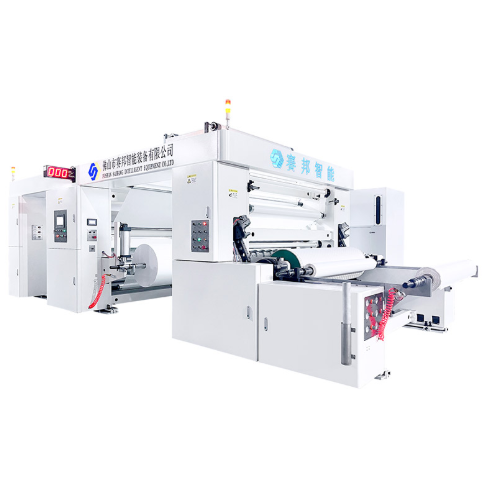
Our hot melt adhesive coating equipment supports machine width options of 1700mm, 2200mm, and 2600mm. This gives factories more room to match different material formats for medical disposable mattresses, protective clothing fabrics, garment fabrics, luggage fabrics, flat woven fabrics, and membrane materials.
For custom-order factories, width flexibility can directly affect order-taking ability. It allows the factory to quote more confidently when buyers ask whether their material can be handled without changing the whole production arrangement.
Wider Capability Also Helps Future Orders
A buyer may start with one material today, then ask for another width or structure later. If the factory already has a line with wider application space, it is easier to keep the customer instead of treating every new request as a separate technical challenge.
This is where an Adhesive Coating Machine becomes part of business development, not only production equipment.
Coating Uniformity Is The First Test Customers Notice
Custom Materials Leave Less Room For Error
When producing standard goods, operators may already know the best settings. With custom materials, the coating result must be proven again. Uneven adhesive, local excess glue, weak bonding, surface marks, or poor roll flatness can make the customer reject the trial.
A precision coating roller system helps control adhesive application more evenly. This matters because custom orders often involve materials that do not behave the same way under heat, pressure, speed, and tension.
Less Adhesive Waste Means More Room For Trial Runs
Custom production often requires adjustment. If every trial wastes too much adhesive, film, or fabric, the cost of developing new orders increases. A more controlled coating process can reduce unnecessary adhesive waste and make sampling less stressful for the workshop.
For factories taking frequent custom jobs, this is important. The first few meters of material should help the team find the right setting, not become a pile of scrap.
Tension And Deviation Control Keep Trial Materials Usable
Tension Problems Can Ruin Soft Materials
Nonwoven, film, and fabric materials can stretch, relax, wrinkle, or shift during coating. Once tension becomes unstable, the adhesive layer may look uneven, the roll may not wind properly, and the material may not meet the buyer’s test requirement.
Automatic tension control helps stabilize material movement during production. For custom jobs, this reduces the need for operators to rely only on manual adjustment when switching between material types.
Correction Control Protects The Coating Position
Deviation problems are common when running flexible materials at speed. If the material shifts, the coating position can move away from the intended area. That creates edge waste, uneven bonding, or material that cannot be used for the next process.
A deviation correction system helps keep the material running in the right position. For small-batch and trial orders, this can reduce the chance that a sample fails because of web movement rather than the adhesive formula itself.
Roll Handling Can Decide Whether Small Orders Stay Profitable
Stopping Too Often Makes Custom Work Expensive
Small-batch orders often involve frequent roll changes. If each roll change slows the line, stops production, or requires too much manual handling, custom orders become less attractive for the factory.
The machine supports automatic roll changing without slowing down. For factories handling many sample runs or mixed customer orders, this feature can help keep production moving and reduce wasted time between batches.
Roll Size Planning Also Matters
With unwinding and winding diameter up to Φ1000mm, the line can support larger roll handling needs. This is useful when a trial order grows into regular production, or when the factory needs to process longer material runs without frequent interruptions.
A custom order may begin small, but the equipment should not become unsuitable once the customer scales up.
Custom Orders Need A Machine That Can Be Maintained Quickly
Cleaning Should Not Delay The Next Material
When changing adhesive type, material structure, or production requirement, cleaning becomes part of the setup. If coating rollers are difficult to remove or clean, the next trial starts late.
A coating roller system that is easier to disassemble and maintain helps factories move between jobs more smoothly. This is especially useful when one line serves different customers in the same week.
Maintenance Affects Delivery Confidence
Custom-order buyers often care about delivery time. If the machine requires frequent unplanned repair, the factory may miss sample dates or batch delivery schedules. Regular checks for coating rollers, electrical systems, tension control, correction systems, lubrication, pneumatic parts, and wearing components help keep the line ready for new orders.
For buyers comparing an Adhesive Coating Machine, maintenance convenience should be considered together with speed and width.
Build Custom Material Capability Before The Next Rush Order
Factories that want more custom material orders need more than sales confidence. They need a coating line that can handle material changes, width variation, sample testing, tension control, coating accuracy, roll changes, and daily maintenance without slowing every new project.
If your factory wants to take more custom coating and laminating orders for nonwoven, film, hot melt adhesive composite materials, protective clothing fabrics, clothing fabrics, luggage fabrics, flat woven fabrics, or membrane materials, you can come to us to build this production direction. Share the target material, required width, adhesive type, expected coating result, trial quantity, and future capacity plan. Our team can help match the Hot Melt Adhesive Coating Machine setup with your real order structure, so custom projects become easier to sample, adjust, and deliver.