


What Equipment Is Needed for Film and Nonwoven Processing?
Film and nonwoven processing requires more than one machine. For packaging factories, hygiene material producers, medical material suppliers, home textile manufacturers, and converting plants, the right equipment combination affects bonding quality, production speed, material waste, and final product stability.
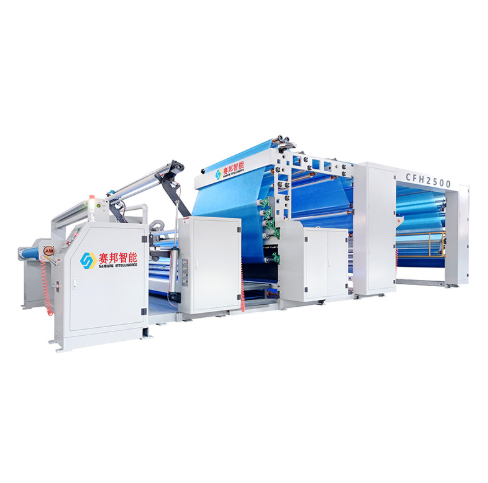
In many production lines, materials need to be laminated, quilted, slit, rewound, cut, or further converted before they become finished products. A 2500mm Ultrasonic Laminated Quilting Machine is suitable for processing wide nonwoven materials, composite layers, and soft roll materials where bonding strength and production efficiency matter.
Start With Material Type And Finished Product Needs
Before choosing equipment, buyers need to understand the material structure. Film, nonwoven fabric, sponge, cotton, composite fabric, and other soft roll materials may require different processing methods.
For example, some materials need lamination to combine multiple layers. Some need quilting patterns to improve thickness, appearance, and structural stability. Other materials need slitting and rewinding before packaging or downstream production.
The first step is to confirm:
material width
material thickness
layer combination
bonding method
finished product size
daily output target
Clear material information helps avoid choosing machines that are too small, too slow, or unsuitable for the real production process.
Laminating Equipment For Layer Bonding
Laminating equipment is used when two or more layers need to be combined. In nonwoven processing, this is common for hygiene products, protective materials, home textiles, mattresses, packaging layers, and insulation materials.
Ultrasonic lamination is useful because it can bond materials without traditional glue in many applications. This helps reduce adhesive cost, simplify operation, and keep the finished material cleaner.
For buyers, bonding strength and pattern consistency are important. Poor lamination may cause layer separation, uneven texture, or unstable product quality after cutting and packing.
Quilting Equipment For Structure And Appearance
Quilting equipment adds patterns and structure to soft materials. In nonwoven and textile-related processing, quilting can improve appearance, increase surface texture, and help keep multiple layers stable.
A wide-width ultrasonic laminated quilting machine is suitable for buyers who need large-format processing. A 2500mm working width can support wider materials and improve production efficiency for roll-based manufacturing.
This type of equipment is often used in:
mattress and bedding material processing
nonwoven composite material production
home textile manufacturing
protective cover material processing
soft packaging and lining material production
For bulk production, stable pattern alignment and continuous operation are key purchasing points.
Slitting And Rewinding Equipment For Roll Conversion
After lamination or quilting, wide rolls often need to be converted into narrower rolls. This is where slitting and rewinding equipment becomes important.
A film slitting rewinder is commonly used to cut wide roll materials into smaller rolls with controlled width and neat winding. For film and nonwoven processing, this step affects downstream packing, storage, and customer usability.
Buyers should pay attention to slitting accuracy, tension control, rewinding quality, and roll edge neatness. Poor rewinding can cause wrinkles, telescoping, loose rolls, or material waste.
Control Systems For Stable Production
Modern processing lines need reliable control systems. Speed control, tension adjustment, ultrasonic power control, pattern setting, and emergency stop functions all affect production safety and consistency.
For factories with frequent order changes, easy operation is very important. Operators need to adjust speed, material feeding, bonding settings, and pattern requirements quickly.
A clear control system helps reduce training time and improves daily production efficiency.
Customization For Different Production Lines
Not every buyer has the same processing needs. Some factories need wider working width, some need special patterns, and others may need different feeding or rewinding configurations.
OEM/ODM customization can help match equipment with the buyer’s material, workshop layout, and finished product requirements. Custom options may include machine width, pattern roller design, ultrasonic configuration, feeding structure, and control system settings.
For project buyers and machinery distributors, customization also helps serve different market segments with more targeted solutions.
What Buyers Should Check Before Ordering
Before confirming equipment, buyers should review practical production details rather than only comparing machine price.
Important points include:
material compatibility
working width
bonding or quilting strength
pattern consistency
production speed
energy consumption
operation difficulty
maintenance convenience
spare parts support
export packaging and delivery plan
These details directly affect long-term production cost and equipment return.
Conclusion
Film and nonwoven processing usually requires a combination of laminating, quilting, slitting, rewinding, cutting, and control systems. The right equipment helps improve bonding quality, reduce material waste, and support stable production.
For buyers working with wide nonwoven materials, composite layers, soft roll materials, or film-related processing, choosing equipment based on real application needs is the safest approach.
Send us your material type, width, layer structure, pattern requirement, output target, and factory layout details. We can help review your process and recommend a practical equipment solution for your production line.