


How To Use A Laminating Machine
Knowing how to use a Laminating Machine correctly is not only about turning it on and feeding material. In real production, lamination is a controlled process that combines heat, pressure, and speed to bond different layers into one stable structure. When the settings match the material, the result is smooth, strong, and consistent. When they do not, issues like bubbles, weak bonding, or surface marks appear quickly.
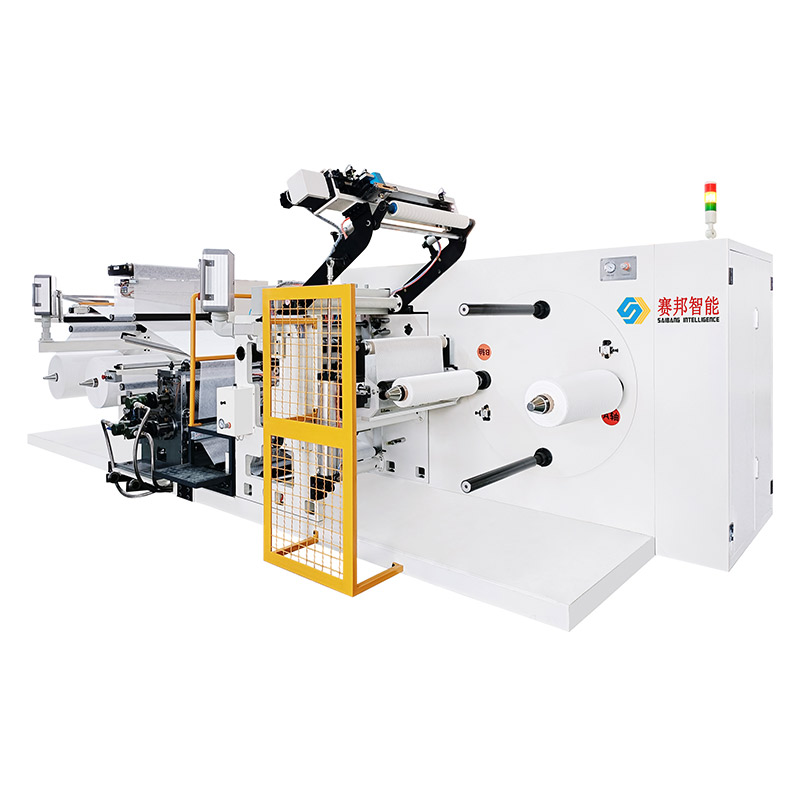
A heat press laminating machine is commonly used for nonwoven materials and similar applications, where temperature and pressure need to be adjusted carefully. A clear understanding of the process makes operation easier and reduces unnecessary waste.
Understand The Basic Working Process
A laminating machine works by feeding two or more layers through a heated pressing area. The heat softens or activates the bonding layer, while pressure ensures the materials attach evenly. After that, the laminated material is guided and wound into a finished roll.
In practical use, the operator should always know what materials are being combined and what the final product needs to achieve. Different materials respond differently to heat, so there is no single fixed setting that works for all jobs.
Prepare Materials Before Operation
Before starting the machine, check the material rolls carefully. The edges should be even, the surface should be clean, and the roll should be properly wound. Any defect at this stage will become more obvious after lamination.
The material should also be aligned correctly when feeding into the machine. Straight feeding helps maintain stable bonding and avoids shifting during production. This step may seem simple, but it has a direct impact on final quality.
Set Temperature And Pressure Properly
Temperature and pressure are the most important settings in lamination. If the temperature is too low, the materials will not bond well. If it is too high, the surface may deform or lose its structure. Pressure works in a similar way. Too little leads to weak bonding, while too much can flatten or damage the material.
It is better to start with moderate settings and adjust gradually after checking the first output. Machines with adjustable temperature and pressure make this process easier, especially when handling different material types.
Start At A Stable Speed
Speed should always be controlled at the beginning. Even if the machine supports high output, starting too fast can lead to unstable results. A slower initial speed allows the operator to check bonding quality and material alignment.
Once the process is stable, the speed can be increased gradually. This approach helps reduce waste and improves overall efficiency.
Monitor The Bonding Quality
During operation, the bonding area should be observed continuously. The surface should remain smooth, without wrinkles or lifting. The edges should stay aligned, and the material should move steadily through the machine.
For applications that require surface patterns, the pattern clarity should also be checked. Any inconsistency usually means the settings need adjustment.
Maintain Proper Tension
Tension plays an important role throughout the process. If the tension is too tight, the material may stretch or deform. If it is too loose, the layers may shift or wrinkle.
Balanced tension from unwinding to rewinding helps keep the laminated material stable. It also improves the quality of the final roll and makes further processing easier.
Avoid Common Mistakes
A common mistake is increasing temperature too quickly when problems appear. In many cases, the issue may come from speed or tension instead of heat. Another mistake is ignoring material condition. Uneven rolls or contaminated surfaces often lead to poor results, even if machine settings are correct.
Stable operation depends on both machine adjustment and proper material preparation.
Conclusion
Learning how to use a laminating machine effectively comes down to controlling the key factors: material preparation, temperature, pressure, speed, and tension. When these elements are balanced, the lamination process becomes stable and the finished product meets quality expectations.
For operations involving nonwoven materials, a heat press laminating machine with adjustable control and steady running performance can simplify production and improve consistency. If you are selecting equipment or need help matching machine settings to your materials, feel free to contact us. We can provide practical guidance based on your application and production needs.