


How To Use A Big Laminating Machine?
A big Laminating Machine is built for continuous production, stable bonding, and consistent roll quality across wide web materials. Whether you are laminating nonwoven to film, nonwoven to nonwoven, or building multi-layer structures with hot melt or hot press methods, the core objective is the same: keep tension, temperature, pressure, and speed inside a controllable process window. This article explains how to use a large-scale laminating line in a professional way, from setup to stable running, with practical guidance you can apply on most industrial systems.
To explore SAIBANG configurations and process options, visit our laminating machine solutions.
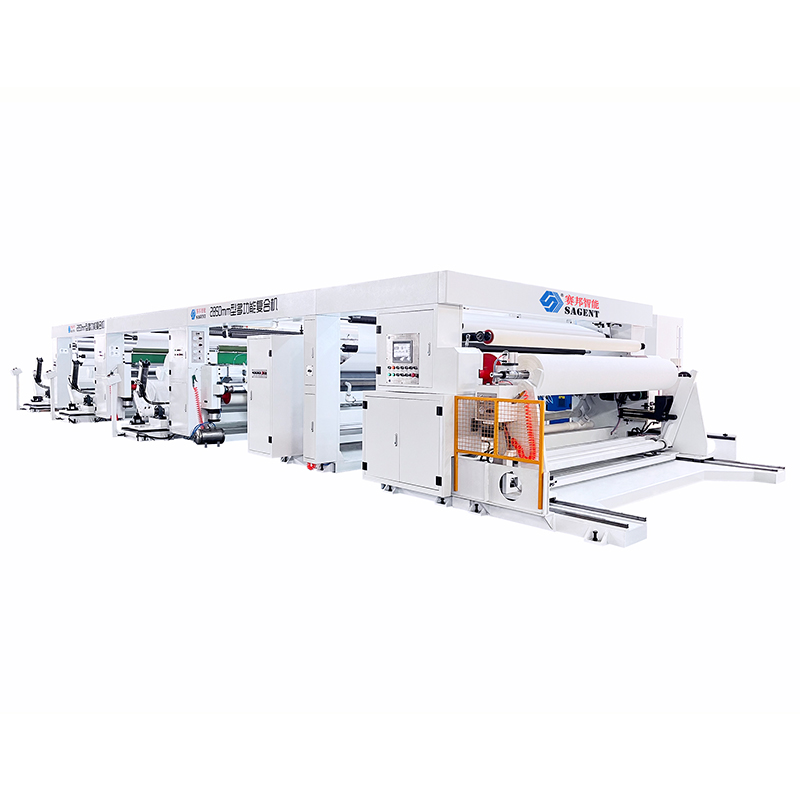
Understand The Process You Are Running
Before touching settings, confirm which lamination method your line is designed for. Ultrasonic lamination relies on energy transfer and dwell time, hot press lamination depends on uniform temperature and pressure across the width, and hot melt lamination requires adhesive application stability plus cooling and bonding time. A coating or extrusion coating laminating line adds more zones and more variables, so the same operating discipline still applies, but with additional controls for coating weight, melt stability, and chill roll performance.
Large machines are less forgiving than small equipment because small variations amplify across width and speed. The most professional way to operate is to define one target product structure, then lock the process window around that structure instead of constantly chasing minor defects with frequent setting changes.
Prepare Materials And Web Handling For Stable Running
Most production issues start before lamination begins. Confirm the incoming roll quality and storage conditions. Rolls should be round, evenly wound, and free of crushed edges. If your materials have been stored in a high-humidity area or moved from cold storage to a warm shop floor, allow time for temperature equalization. This reduces curl, static behavior changes, and tension instability.
When loading rolls, align the roll center with the machine centerline and confirm the web path is free of sharp contact points that can create edge damage. For wide web materials, even small edge frays can spread quickly once tension rises. If your line has edge guiding, ensure the sensors are clean and correctly positioned for the actual web type, because reflective films and textured nonwovens can require different sensor tuning.
Start Up With A Controlled Ramp, Not A Fast Push
A big laminating line should be started in stages. The goal is to let each zone reach stability before you increase speed. Temperature zones need time to soak and stabilize, adhesive systems need consistent viscosity, and pressure systems need uniform nip contact. Rushing to full speed often creates defects that look like material problems but are actually start-up instability.
A professional start-up approach is to run a short low-speed pass to confirm web tracking and tension balance, then increase speed gradually while watching the laminate appearance and roll build. On hot melt systems, stable adhesive delivery at low speed does not always mean stable delivery at high speed, so the ramp is where you verify the real operating window.
Set Tension, Temperature, Pressure, And Speed As A Linked System
On an industrial laminating machine operation, the four key settings behave like a linked system. Adjusting one variable without considering the others often creates a new defect.
Tension controls web flatness and tracking. Too low tension causes wrinkles and wandering edges, while too high tension can stretch nonwovens, cause neck-in on films, and create roll hardness variation. Temperature affects bonding activation and surface behavior. Excess temperature can deform films or damage breathable structures, while insufficient temperature reduces bond strength and increases delamination risk. Pressure affects contact uniformity at the nip. Too much pressure can squeeze adhesive unevenly or emboss unwanted marks, while too little pressure leads to weak bonding and air entrapment. Speed changes dwell time. When speed increases, you typically need to adjust temperature, adhesive delivery, or pressure to maintain the same bond result.
A simple way to keep the system stable is to treat speed as the final variable. Dial in bond quality at a moderate speed first, then increase speed while making small, measured adjustments.
Common Setting Targets And What They Influence
The table below summarizes typical control relationships. Exact values depend on your materials and line design, but the logic is consistent across most equipment.
| Control Area | What You Adjust | What You Observe | Typical Risk If Off |
|---|---|---|---|
| Web tension | Unwind, infeed, rewind tension | Wrinkles, edge tracking, roll hardness | Wrinkles, neck-in, web breaks |
| Heating zones | Preheat, activation, nip temperature | Bond strength, film deformation | Delamination or surface distortion |
| Nip pressure | Roller pressure or cylinder setting | Bond uniformity, marks, squeeze-out | Weak bond or surface marking |
| Line speed | Main drive speed | Output and dwell time | Incomplete bonding at higher speed |
| Adhesive delivery | Pump rate, coat width, temperature | Coat uniformity, edge build-up | Streaks, bleed-through, unstable bonding |
Using this relationship-based view helps operators solve issues at the cause level rather than reacting to symptoms.
Monitor Quality In Real Time, Not Only At The End
Large laminating machines run fast, so defects accumulate quickly. The most effective practice is to monitor laminate quality continuously during the first minutes after each change. Watch the web edge behavior, surface uniformity, and any signs of trapped air. If your line includes online inspection or data logging, use it to confirm that tension and temperature remain stable during speed ramps and roll diameter changes.
Roll build quality matters as much as laminate bonding. A roll that looks fine on the surface but has inconsistent hardness can cause downstream problems in slitting, printing, or converting. Pay attention to winding tension and taper control if your system supports it.
Troubleshoot Defects With Professional Logic
Wrinkles are usually tension imbalance, poor web guiding, or uneven temperature causing differential shrink. Delamination is often insufficient activation, insufficient pressure, or speed too high for the current settings. Edge lifting can come from inaccurate guiding, uneven adhesive at edges, or edge contamination. Surface marks often relate to roller cleanliness, pressure too high, or a mismatch between roller surface and the web texture.
Instead of making multiple changes at once, change one variable, run long enough to see a stable result, and record the outcome. This disciplined method is how experienced teams stabilize a high speed laminating line without losing hours to trial and error.
Maintain The Machine To Keep Output Consistent
For a big laminating machine, consistent output depends on routine maintenance. Keep rollers clean and inspect for wear or damage that can imprint defects. Confirm that heating zones hold temperature accurately, because sensor drift can create slow quality decline that is difficult to notice until rejects increase. For hot melt systems, manage adhesive filtration and cleaning routines to prevent nozzle or coating head instability. For ultrasonic systems, monitor energy delivery stability and ensure contact surfaces remain in specification.
Maintenance is also part of safe operation. Adhesives, heated zones, and rotating rollers introduce real risks. Follow your plant safety procedures for lockout, guarding, and hot surface handling, and ensure operators are trained on emergency stops and jam clearing.
Why SAIBANG Helps You Run Large Laminating Equipment More Efficiently
Stable operation is not only about the operator. It is also about the match between your materials, your target product, and the machine configuration. SAIBANG laminating equipment is designed to support stable tension control, practical automation options, and process-focused configuration for different material structures. When you share your material stack, width, target speed, and quality targets, the recommended setup becomes clearer, and the operation becomes easier to standardize across shifts.
You can review SAIBANG options on our laminating machine solutions, then discuss your production goal with our team for a configuration that fits your process window.
Conclusion
Using a big laminating machine successfully is about process control, not just turning on a line and increasing speed. When you prepare materials correctly, ramp up in stages, and treat tension, temperature, pressure, and speed as a linked system, you can achieve stable bonding and high-quality roll output. Real-time monitoring and disciplined troubleshooting reduce waste and improve uptime, especially on wide and fast production lines.
If you are planning a new line, upgrading an existing line, or troubleshooting quality issues, contact SAIBANG with your material structure, width, and target capacity. We can provide practical guidance on configuration, process setup, and commissioning support to help you reach stable production faster.
Previous: