


What Happens Before Equipment Leaves The Factory: A Look At Final Inspection
Final inspection is the last and most decisive step before SAIBANG equipment is approved for shipment. It is a structured verification process that confirms the machine has been assembled correctly, wired correctly, protected correctly, and tested in a controlled factory environment. This inspection is designed to reduce early-stage commissioning risk, prevent avoidable downtime, and deliver a clear baseline for long-term operation.
SAIBANG builds intelligent equipment and system solutions for industrial production lines. Final inspection is treated as a performance responsibility, not a shipment formality. Learn more about SAIBANG at SAIBANG.
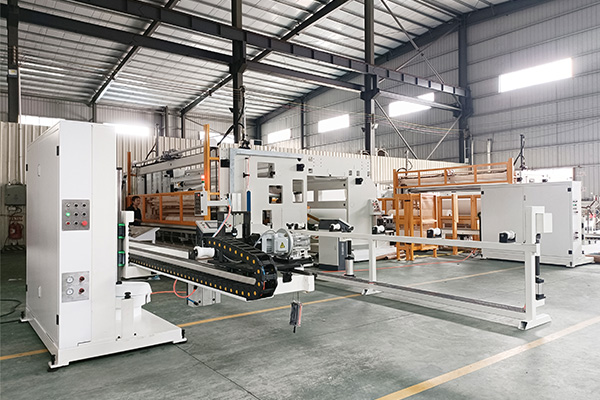
Inspection Starts With A Complete Build And Document Review
Before functional checks begin, SAIBANG confirms that assembly work matches the approved technical documents. The inspection team verifies key configuration items, installed options, and component lists, then compares them to the project requirements and internal build records. This step prevents mismatch problems such as missing sensors, wrong motor specifications, incorrect safety devices, or incomplete guarding.
The documentation review also prepares the inspection team to test the machine using the intended operating logic rather than a simplified routine. This includes verifying that manuals, wiring diagrams, and maintenance references match the shipped configuration.
Mechanical Integrity And Alignment Checks
SAIBANG final inspection includes mechanical integrity checks that focus on structural stability and long-term motion reliability. The team inspects the frame, fasteners, drive assemblies, and moving mechanisms to confirm the machine can run without abnormal vibration or progressive loosening.
Mechanical checks include:
Frame and structure verification to ensure rigidity and correct assembly
Fastener inspection on critical joints that affect alignment and stability
Drive system inspection for couplings, belts, chains, gearboxes, and lubrication readiness
Motion path checks for rollers, guides, and transport mechanisms to confirm smooth movement
Guarding and access inspection to confirm safe physical installation
For equipment with precision requirements, alignment and parallelism checks are treated as performance items because they affect product uniformity and long-term repeatability.
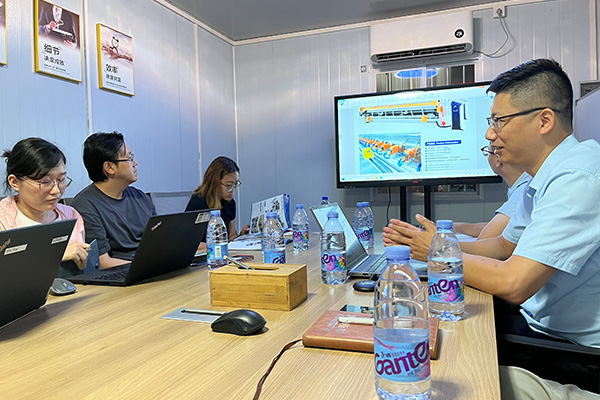
Electrical Cabinet Cleanliness And Maintainability Verification
Electrical inspection is not limited to power-on tests. SAIBANG verifies the electrical cabinet layout and wiring quality to reduce future troubleshooting time and to lower the risk of maintenance errors. The inspection team checks whether the cabinet is organized, wiring routes are tidy, terminals are tightened properly, and labels are clear and consistent.
This cabinet-level verification improves long-term operation in two ways. It shortens fault isolation time and reduces the risk of incorrect adjustments during maintenance. A clean cabinet with clear labeling becomes an operating advantage, not only a manufacturing detail.
Control Logic And Feedback Accuracy Checks
SAIBANG verifies control logic against the equipment’s intended operating sequence. This includes checking signal paths, sensor response, and interlock logic so the machine behaves predictably under both normal and abnormal states.
Inspection covers:
Motion logic consistency across speeds and operating modes
Sensor stability and repeatability under continuous operation
Alarm behavior and stop logic for defined fault conditions
Parameter settings consistency with the configured components
For equipment that uses heating, SAIBANG inspects heater control logic and temperature feedback accuracy. This check confirms that temperature setpoints, feedback signals, and control response match the design intent, supporting stable production and preventing overheating-related faults.
Safety Compliance And Risk Control Testing
Safety is verified with the same seriousness as performance. SAIBANG final inspection includes safety compliance and risk control checks before shipment approval. The inspection team validates protective devices and safety functions through functional testing under realistic operating states.
Safety checks include:
Emergency stop response verification across key operating positions
Guarding and safety interlock function validation
Overload protection behavior for motors and drives
Over-temperature protection behavior where heating exists
Safety labeling and warning visibility for high-risk zones
This stage ensures that safety systems function as an integrated set rather than as isolated components.
Trial Run Verification Under Factory Conditions
SAIBANG final inspection includes a structured trial run to verify that the machine can operate stably in continuous motion and that control responses remain consistent over time. The trial run confirms coordinated operation, stable signal behavior, and predictable response to operator commands.
The trial run process verifies:
Start-up sequence stability and repeatability
Running stability without abnormal noise, vibration, or heat build-up
Stop logic accuracy and safe deceleration behavior
Consistent sensor response during continuous movement
Alarm response consistency during defined fault simulations
This trial run establishes a baseline for on-site commissioning. When the machine arrives at the customer facility, commissioning becomes a process of matching site conditions to a verified factory baseline rather than starting from uncertainty.
Shipment Protection And Release For Delivery
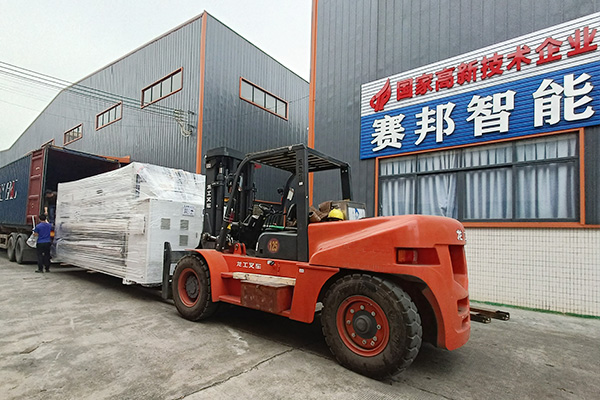
After performance and safety are approved, SAIBANG verifies shipment protection to ensure the machine arrives in the same verified condition. The team secures moving parts, protects cables and sensors, and applies anti-rust measures to exposed precision surfaces. Lifting points, handling labels, and packing structure are also checked to support safe unloading and correct positioning.
Shipment readiness checks include:
Securing movement components to prevent vibration damage
Protecting electrical interfaces and sensor connectors
Anti-rust and surface protection for exposed metal
Crating and labeling verification for safe logistics handling
This stage reduces damage risk during transport and supports faster installation at the destination.
Final Inspection Checklist Map
| Inspection Stage | What SAIBANG Verifies | Why It Matters |
|---|---|---|
| Build And Documentation Review | Configuration, installed options, document matching | Prevents shipment mismatch and missing items |
| Mechanical Integrity | Structure, alignment, drives, guarding installation | Reduces vibration, wear, and early faults |
| Electrical Cabinet Quality | Neat layout, clear labels, stable connections | Speeds troubleshooting and lowers maintenance error risk |
| Control And Feedback Accuracy | Logic sequences, sensor response, heater feedback | Protects process stability and parameter repeatability |
| Safety And Risk Control | E-stop, interlocks, protections, warning visibility | Confirms safe operation readiness |
| Trial Run | Continuous stability, response consistency, fault behavior | Creates baseline for faster commissioning |
| Shipment Protection | Securing, protection, handling readiness | Prevents transport damage and accelerates installation |
Conclusion
SAIBANG final inspection is a structured, factory-based verification process that confirms mechanical integrity, cabinet maintainability, control logic accuracy, safety compliance, and stable trial-run performance before shipment release. It also includes shipment protection checks that preserve the verified condition through logistics and delivery. This approach reduces ramp-up risk, shortens commissioning time, and supports long-term equipment performance.
If you want to understand SAIBANG’s final inspection items for your specific project or align acceptance criteria before delivery, contact our team through SAIBANG. Share your application, line layout, and production targets, and we will provide clear inspection scope guidance and practical commissioning support based on your configuration.