


After-Sales Support As Part Of Long-Term Equipment Performance
Reliable output is not only determined by how a machine is designed and manufactured. In real production, long-term performance depends on how quickly issues are diagnosed, how accurately parameters are maintained, how consistently operators follow best practices, and how efficiently wear parts are managed. For this reason, after-sales support should be treated as a core part of equipment performance, not an optional add-on.
At SAIBANG, after-sales service is built around lifecycle thinking: structured maintenance guidance, fast troubleshooting, practical training, stable spare parts supply, and clear warranty coverage.
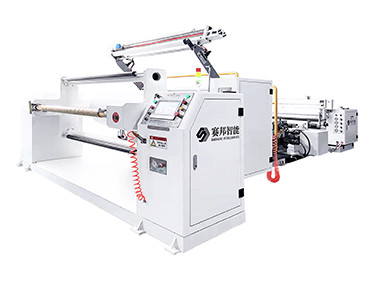
Why After-Sales Support Directly Affects Performance
Even when a line is running normally, small deviations can slowly reduce productivity and quality. Typical root causes include changes in raw material behavior, drifting tension or temperature settings, inconsistent operator habits, and delayed replacement of consumables. A strong service system prevents these issues from turning into frequent stops and quality loss by doing two things well:
Keep key parameters stable through practical maintenance routines and verified operating methods.
Restore uptime fast through standardized fault handling and clear response steps.
Preventive Maintenance That Protects Output Stability
Preventive maintenance is the most cost-effective way to protect long-term performance. SAIBANG provides a structured maintenance handbook that defines daily, weekly, monthly, and yearly routines, including cleaning points, lubrication points, and recommended replacement cycles for wear items.
For critical components, SAIBANG also provides targeted maintenance guidance so customers can maintain precision and reduce avoidable damage caused by incorrect handling.
Troubleshooting That Minimizes Downtime
When a problem occurs, the goal is not only to fix it, but to fix it with repeatable logic and minimal disruption.
SAIBANG supports remote diagnosis using video and images to identify typical issues quickly, then provides step-by-step actions for recovery. If the issue is complex, engineers can provide on-site troubleshooting and explain the real cause and correct recovery method to prevent repeated failures.
In many production environments, a large share of issues are related to software settings or process parameters. SAIBANG supports remote debugging through a remote control module when configured in advance, and can address most parameter and software type issues without waiting for a visit.
Installation, Commissioning, And Operator Readiness
A machine can only perform to its design level after correct installation, accurate leveling, proper connections, and a verified trial run.
SAIBANG provides on-site installation and commissioning to bring equipment to an operable state that meets factory inspection standards. For higher-precision equipment or larger customized lines, service can include pre-checking site conditions and issuing a site preparation guide so utilities, space, and foundations are ready before arrival. After installation, trial running with materials helps confirm capacity and process targets while optimizing parameters in real conditions.
To reduce human-factor variation, SAIBANG provides practical training for 2 to 3 days, covering operation, parameter setting, routine maintenance, and common troubleshooting.
Spare Parts Strategy For Continuous Operation
Wear parts are a normal part of production. The operational difference comes from how fast parts can be identified, sourced, and replaced.
SAIBANG supports wear-part identification and replacement guidance, including correct procedures and compatible part recommendations. For parts supply, common spare parts can be shipped within 48 hours, while customized parts typically require 7 to 15 working days. Long-term availability also matters for lifecycle performance, so parts supply can continue even after warranty periods, enabling stable maintenance planning.
Warranty Coverage That Sets Clear Expectations
Clear warranty boundaries reduce operational uncertainty and help teams plan maintenance and spare parts with confidence. The following table reflects a structured warranty approach for different component categories.
| Component Category | Typical Warranty Term | Notes |
|---|---|---|
| Core components such as servo motor, PLC module, main drive system | 1 year | Coverage under normal operating conditions |
| Non-core components such as frame and standard electrical parts | 1 year | Coverage for non-human-caused failures |
| Wear items such as blades and seals | Depends On The Circumstances | Defect-based replacement, normal wear excluded |
Documentation That Keeps Teams Consistent
Consistent operation across shifts requires consistent references. SAIBANG provides a complete technical document package that supports lifecycle management, including operating instructions, maintenance guidance, technical diagrams, and troubleshooting references. This helps reduce repeated mistakes, improves training efficiency, and makes routine inspection easier to standardize.
Conclusion
Long-term equipment performance is built through a combination of stable installation, repeatable operation, preventive maintenance, fast troubleshooting, and reliable spare parts planning. When after-sales support is designed into the lifecycle, performance becomes more predictable, downtime becomes easier to control, and improvements can be implemented faster.
To learn more about SAIBANG Products, you can visit our products page. If you want to evaluate a service plan, define spare parts lists, or build a preventive maintenance schedule for your production goals, contact us with your process details. Our team can provide practical guidance, parameter recommendations, and service planning based on your real operating conditions.