


What Is the Temperature Range of an Embossing Machine?
Temperature is one of the few embossing variables that directly impacts three outcomes at the same time: pattern definition, material feel, and line stability. If the temperature window is too low, the pattern looks shallow and inconsistent. If it is too high, you risk gloss shift, shrinkage, sticking, fiber damage, or a narrow operating window that creates frequent stops.
For buyers evaluating an embossing line for scalable production, the better question is not a single number, but the usable temperature range the machine can hold with repeatable control under real load conditions. This article explains typical temperature ranges by machine design, how to choose a safe working window for your material, and how SAIBANG supports customization for stable operation. Visit Our Product: SAIBANG Embossing Machine.
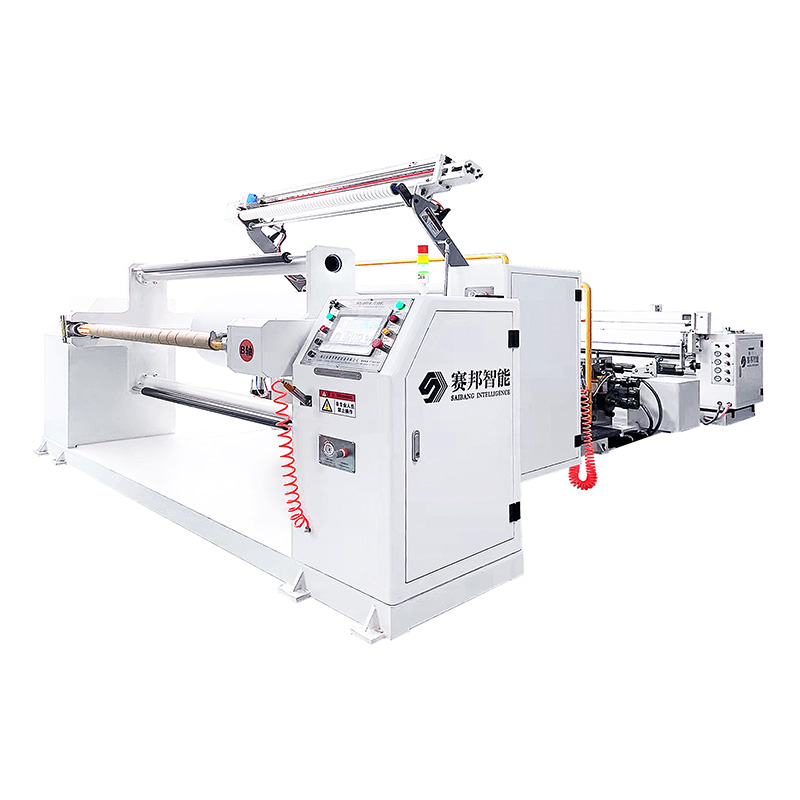
Typical Temperature Range By Heating System
Most industrial roll-to-roll Embossing Machines operate from near ambient temperature up to the low-to-mid 200°C range, depending on the heating method and cylinder design. Some systems and roll coverings are engineered to handle higher temperatures for fast embossing and deeper definition.
In practice, you will see these common patterns in the market:
Oil-heated or thermal-fluid heated rollers often run from ambient up to around 225°C in continuous operation, because the oil system delivers stable heat distribution over large roll surfaces.
Industrial fabric embossing systems frequently state maximum continuous temperatures around 230°C, especially when the heating approach is designed for consistent high-temperature operation across different substrates.
High-temperature capable embossing roll systems may be designed to withstand over 250°C for fast embossing, depending on the roll construction and covering materials.
What matters for production is not only maximum temperature, but whether the machine can hold a stable setpoint and maintain uniformity across the embossing width. In SAIBANG’s approach to industrial equipment, temperature stability and control accuracy are treated as core performance indicators, supported by higher-level control integration and measurable temperature precision targets in related process modules.
What Changes The Required Temperature Window
Embossing temperature is not universal because the heat is doing different jobs depending on your substrate and pattern goal. Four factors move the window significantly:
Polymer softening behavior and coating type Films and coated laminates soften and flow differently. A temperature that produces crisp dots on one structure can cause sticking or gloss shift on another. This is why experienced operators set a starting range and tune based on release behavior and definition rather than chasing a fixed number.
Material thickness and line speed Higher speed reduces dwell time at the nip. To maintain the same pattern depth at higher speed, temperature and pressure often need to be adjusted together. If you increase temperature alone, you may narrow the safe window and increase defect risk.
Embossing depth and pattern density Fine micro-patterns may need less thermal energy than deep textures. Deep embossing usually needs more thermal assistance to help the material conform into the pattern without tearing or rebound.
Cooling and tension management Temperature tuning is inseparable from web tension and cooling. If the material is still too warm at winding, blocking and telescoping can happen. If it cools too early, you can lose definition and repeatability.
Because these variables interact, an engineer-friendly buying approach is to define your target output and request a machine configuration that can hold your working window with stable control, rather than selecting a machine based only on maximum temperature.
Practical Working Ranges For Common Web Materials
The table below gives practical starting ranges used in many roll embossing scenarios. It is not a substitute for trials, but it helps buyers set realistic expectations and plan commissioning.
| Substrate Type | Common Starting Range | Key Risk If Too Hot | Key Risk If Too Cold |
|---|---|---|---|
| PE-based films and soft laminates | 80–130°C | sticking, gloss shift, edge shrink | weak definition, bounce-back |
| PP films and nonwoven laminates | 100–160°C | shrinkage, stiffness increase | shallow pattern, unstable repeat |
| PET and higher-melting films | 140–200°C | haze change, tension sensitivity | pattern not transferring |
| TPU or elastic films | 90–150°C | surface tack, distortion | poor texture clarity |
| Nonwoven webs and soft composites | 100–180°C | fiber damage, hard hand-feel | pattern breaks, uneven emboss |
When your product mix spans multiple structures, it is often more efficient to specify a machine that supports fast, repeatable recipe switching and stable temperature holding at the roller surface. In SAIBANG’s system design philosophy, process parameter stability and smart integration are built around real production requirements and scalable automation options.
How SAIBANG Supports Temperature Control And Customization
When buyers ask about embossing temperature range, they are usually trying to reduce operational risk: will the line hold temperature evenly, run stably at speed, and avoid scrap spikes during changeovers. SAIBANG addresses that with a customization-first approach that focuses on control, reliability, and scalability.
Control accuracy and temperature uniformity Stable embossing requires controllable heat delivery and uniform surface temperature. In SAIBANG’s technical framework for core process equipment, temperature control precision targets and temperature uniformity management are treated as measurable requirements rather than vague claims, supporting more predictable commissioning outcomes.
Process matching for different structures Embossing performance depends on the full chain: heating, nip mechanics, web handling, and tension. SAIBANG emphasizes full-link technical adaptation and process parameter optimization so the machine configuration matches your substrate and pattern needs rather than forcing you to run outside your safe window.
Scalable configuration for future SKUs Many factories expand SKUs over time. SAIBANG designs with upgrade space and modular improvement pathways so the line can evolve with your product roadmap instead of requiring replacement investment.
If you are sourcing for a wholesale rollout across multiple product lines, this kind of stability-focused customization reduces the total risk cost, not just the initial equipment cost.
Conclusion
Most industrial embossing machines are designed to run from near ambient temperature up to the low-to-mid 200°C range, with some systems engineered for higher-temperature capability depending on roll construction and application. The best working temperature range is the one that delivers consistent definition at your target speed while protecting the substrate and keeping winding stable.
If you share your substrate type, target thickness range, required pattern depth, line speed, and preferred heating method, we can recommend a suitable configuration for the SAIBANG Embossing Machine. Send your requirements list, and we will reply with a technical proposal that includes a suggested temperature window, control approach, and configuration options for efficient production ramp-up.