


What Are the Benefits of a Non Woven Embossing Machine?
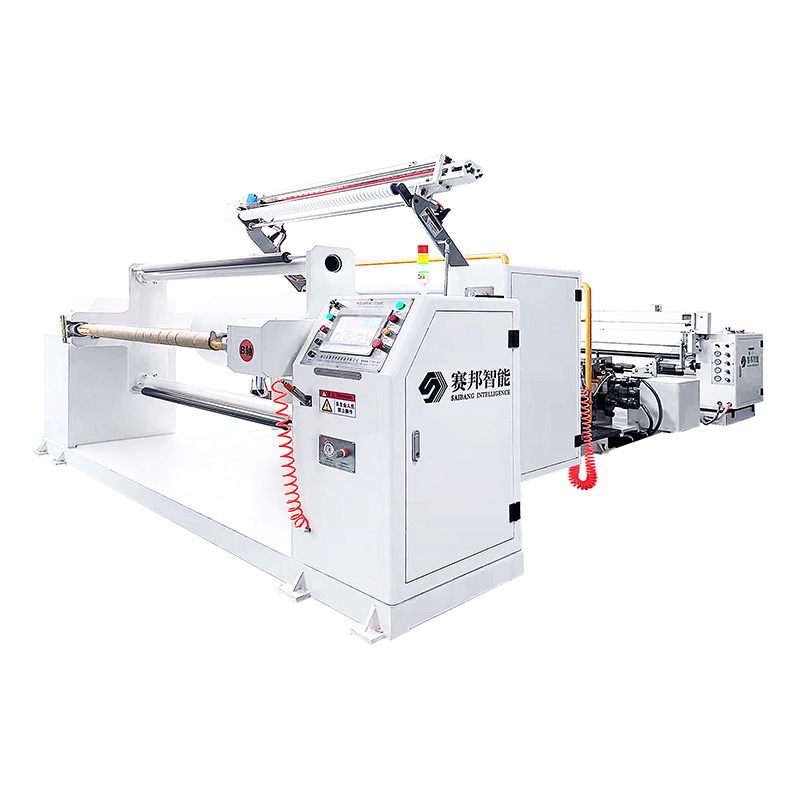
Nonwoven products compete on more than just weight and softness. In diapers, hygiene products, wipes, medical disposables, and industrial nonwovens, buyers also care about surface texture, grip, bulk, drape, and how the material behaves on high-speed converting lines. A non woven Embossing Machine is designed to create controlled surface patterns on nonwoven webs so the finished material looks better, feels more premium, and performs more consistently in downstream processes.
For manufacturers, embossing is not only a visual upgrade. It is a production tool that helps stabilize web handling, improve lamination compatibility, and reduce defects related to slippage, uneven tension, or pattern inconsistency. When the machine is engineered for stable speed, accurate nip control, and reliable winding, embossing becomes a scalable process rather than a manual adjustment problem.
1) Creates repeatable texture that improves product feel and perceived quality
Embossing forms a pattern by applying pressure and controlled heat through engraved rollers, changing the surface structure without adding extra layers. This provides a consistent tactile result that is difficult to achieve with chemical coatings or post-finishing methods. In many consumer-facing applications, that repeatable texture is the difference between a standard roll and a premium roll.
A stable embossing process helps you control key outcomes that buyers notice immediately:
A more uniform hand-feel across the roll and from batch to batch
A clearer, sharper pattern definition that stays consistent at production speed
Better bulk and visual depth, especially for thicker webs or patterned laminations
Reduced surface gloss irregularity, improving appearance under retail lighting
For converters, repeatable texture also reduces downstream complaints because the finished product does not feel uneven between different roll positions or different production days.
2) Improves web handling, traction, and process stability on converting lines
Nonwovens can be slippery, especially at higher speeds or with certain fiber structures. Embossing can increase surface friction in a controlled way, which helps web tracking and reduces slippage at critical points such as unwind, guiding, laminating, and rewinding. That stability matters when you run multiple stations and need the web to stay aligned with minimal operator intervention.
In production practice, embossing can help reduce:
Web wander caused by inconsistent traction across the roller path
Micro-slips at the nip that lead to pattern drift or uneven tension
Wrinkles caused by local tension spikes
Edge damage from repeated guiding corrections
A modern machine should keep embossing pressure and temperature stable while maintaining consistent winding tension, so the texture benefit does not come at the cost of roll quality.
3) Enhances bonding performance for lamination and multi-layer structures
Many nonwoven products are laminated with films, tissues, or additional nonwoven layers. Embossing can increase effective contact points or create defined channels that help bonding uniformity, depending on the structure and adhesive or thermal bonding method used. In practical terms, better bonding uniformity can reduce delamination risks and improve peel strength consistency across the width.
Embossing is especially useful when you want to:
Improve layer-to-layer bonding consistency without over-applying adhesive
Reduce local weak zones caused by uneven pressure or web thickness variation
Create functional surface patterns that support product design targets such as channeling or grip
When embossing is integrated with stable winding and width control, you get rolls that laminate more predictably, which reduces rework and helps maintain stable output on the next machine.
4) Supports high-speed productivity while keeping roll quality under control
The real production value of embossing is realized when the machine can maintain pattern clarity at speed, keep tension stable, and produce rolls that unwind smoothly later. A capable embossing machine is not just an embossing unit. It is also a web handling and rewinding system that must keep diameter changes and speed changes under control.
For large-scale output, buyers usually look for three practical indicators:
A design speed that gives headroom for stable production
A normal operating speed range that matches real material behavior
Diameter capabilities that reduce changeovers and improve uptime
SAIBANG non woven embossing solutions are built for continuous production efficiency, using a speed and diameter configuration that supports long runs without frequent roll changes. You can review the available configurations and options through the Non Woven Embossing Machine page.
5) Flexible compatibility for common nonwoven materials and different product widths
A key benefit of a dedicated embossing machine is that it can be set up for typical nonwoven categories used in hygiene and industrial markets, then adjusted for width and pattern needs. For many factories, width flexibility is a deciding factor because it affects how many SKUs you can produce on one line without buying another machine.
SAIBANG configurations are designed for common nonwoven webs such as hot air nonwoven and spunbonded nonwoven, and they support multiple width options for different product layouts. Below is a clear view of practical specifications often requested by buyers.
Typical configuration reference (SAIBANG options)
| Item | Option A | Option B |
|---|---|---|
| Adaptation materials | Hot air nonwoven, spunbonded nonwoven | Hot air nonwoven, spunbonded nonwoven |
| Finished product width | 1600 mm | 1400 mm |
| Embossing width | 1660 mm | 1460 mm |
| Unwinding diameter | Φ1200 mm | Φ1200 mm |
| Winding diameter | Φ800 mm | Φ800 mm |
| Design speed | 120 m/min | 120 m/min |
| Normal speed | 60–100 m/min depending on material and pattern | 60–100 m/min depending on material and pattern |
| OEM | OEM/ODM | OEM/ODM |
This kind of width and diameter capability helps reduce changeover frequency and supports stable operation when producing longer runs for export orders.
6) Helps reduce defects and waste through controlled embossing and winding
Embossing quality problems often show up as roll defects, not just surface defects. If tension control is inconsistent, you may see telescoping, soft edges, tight spots, or pattern distortion. These issues create waste downstream because the roll cannot unwind smoothly or the pattern does not match the product requirement.
A well-designed non woven embossing machine helps reduce waste by focusing on:
Stable unwinding and rewinding tension across diameter changes
Consistent nip pressure and temperature control to prevent uneven embossing depth
Reliable web path and guiding to minimize wrinkles and edge damage
Pattern stability so the same settings produce the same result across shifts
In practice, fewer roll-quality issues means fewer stoppages on converting lines, fewer rejected lots, and more predictable delivery schedules.
7) What SAIBANG provides for embossing projects and custom requirements
For many buyers, the best machine is not the one with the longest feature list. It is the one that matches the plant’s materials, width, pattern goals, and target speed, and then stays stable in real production. SAIBANG supports projects with an OEM/ODM approach, which is useful when you need to align embossing with existing upstream and downstream processes.
Typical project support may include:
Width and configuration matching based on your web type and finished product layout
Pattern and speed planning based on the balance between clarity and throughput
Integration considerations for unwinding, rewinding, and roll handling in your workshop
Delivery preparation aligned with export shipping and installation coordination needs
To evaluate machine fit in a practical way, it is best to start from your material type, basis weight range, target pattern effect, and the line speed you must maintain without sacrificing roll quality.
Conclusion
The benefits of a non woven embossing machine go beyond appearance. Embossing improves texture consistency, supports better web handling, enhances lamination stability, and helps produce rolls that run smoothly on downstream converting equipment. When the machine is designed for stable speed, reliable diameter handling, and repeatable embossing control, it becomes a cost-effective way to raise product quality while protecting throughput.
If your goal is to upgrade nonwoven value without adding complex materials or extra layers, a properly configured embossing line can be one of the most direct improvements you can make. For SAIBANG configurations and export-oriented support, you can start with the Non Woven Embossing Machine product page and align the specification to your production needs.