


How To Adapt Your Diaper Core Forming Machine for Different Sizes And Absorbency Needs
Diaper brands rarely stay with a single SKU for long. The market keeps moving toward more size options, segmented absorbency levels, thinner cores, faster acquisition, and product lines tailored for day or night use. For manufacturers, that creates a clear requirement: your diaper core forming system must be flexible enough to handle multiple sizes and absorbency targets without turning every changeover into downtime and scrap.
This guide explains how to adapt a diaper core forming machine for different sizes and absorbency needs, what parameters actually matter on the line, and how to structure changeovers and quality checks so your output stays stable. If you are sourcing equipment or planning an upgrade, you can review SAIBANG solutions here: SAIBANG diaper making machine.
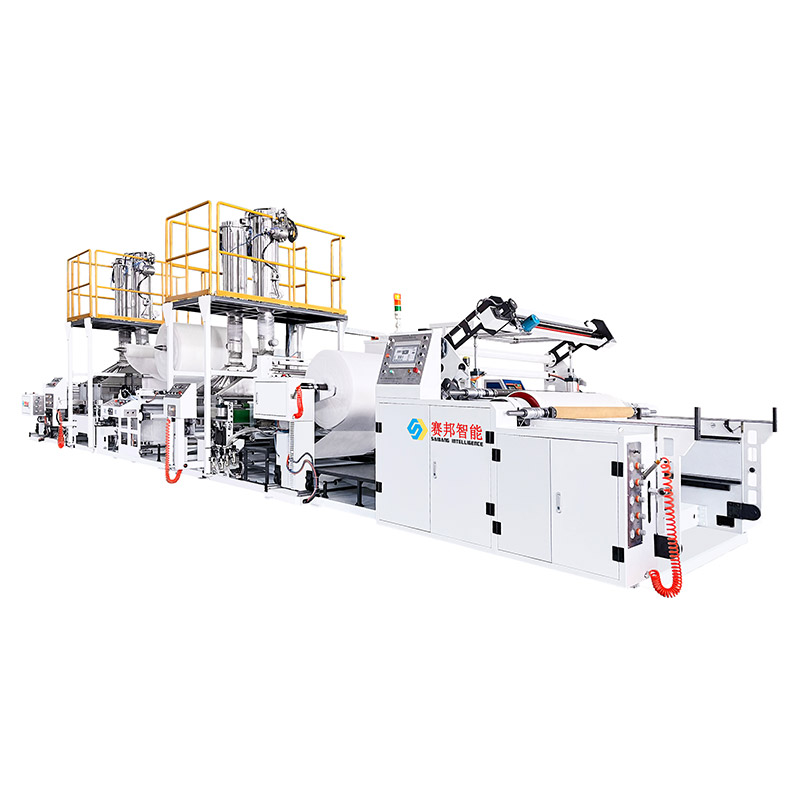
1) Start With the Two Variables That Drive Most Changes
Most adaptation projects can be simplified into two production variables: core geometry and absorbency design. Everything else is a supporting parameter.
Core geometry changes
Core geometry affects fit and comfort. In production terms it means changes in:
core length and width
hourglass shape depth and curvature
thickness profile across zones
core placement position relative to chassis and leg openings
Absorbency design changes
Absorbency requirements translate into how much SAP and pulp are used, how they are distributed, and how fast the core takes in liquid:
total SAP loading and distribution pattern
pulp to SAP ratio where applicable
acquisition layer interaction and strike-through behavior
core density and bonding to prevent gel blocking and migration
If your machine can adjust these two variables with repeatable settings, you can produce a wide range of diaper sizes and performance tiers with less risk.
2) Adapt for Different Diaper Sizes by Controlling Core Shape, Placement, and Registration
Different sizes are not only longer or wider diapers. They often require different core placement and tension balance to keep the product centered and stable.
Adjust core length and width using modular forming and cutting logic
A flexible core forming line should allow you to change the effective core dimensions by adjusting forming zone geometry and cutting length settings. The goal is to avoid rebuilding the machine mechanically for each size.
Key actions for size adaptation:
confirm the forming cavity supports the new width without edge loss
adjust cutting length to match the target size and chassis pitch
recalibrate the core centerline so it remains aligned with the diaper centerline
Update placement timing and registration to match chassis pitch
When size changes, chassis pitch changes. If placement timing is not updated, the core can shift forward or backward, creating leakage risk at the front or back.
Practical controls to review:
encoder-based timing for placement
sensor alignment for registration marks where applicable
tension and web speed coordination across upstream and downstream stations
Rebalance tension for larger and smaller products
Wider or longer diapers often run with different web behavior. Tension that works for one size can cause wrinkles, drift, or misalignment in another.
Focus on:
unwind tension stability
web guiding behavior near forming and lamination zones
stable transfer between forming and wrapping
A stable system reduces the need for operator trial adjustments. That directly lowers scrap during size changes.
3) Adapt Absorbency by Controlling SAP Weight, Distribution, and Core Density
Absorbency does not increase simply by adding more SAP. Too much SAP in the wrong place can cause poor liquid acquisition, gel blocking, and stiffness. Modern cores need controlled distribution that matches the usage scenario.
Control SAP loading by recipe instead of manual tuning
When absorbency needs vary by size or by product tier, the machine should support recipe-based changes so operators can switch between patterns reliably.
A strong approach includes:
defined SAP weight targets by SKU
repeatable distribution settings by zone
stable feeding and dosing control to prevent fluctuation
Use zoned distribution to meet performance targets
Different diapers need different absorbency profiles:
infant sizes often benefit from a more front-focused distribution
larger sizes may require a broader distribution for stability
overnight products often require increased capacity and retention focus
Zoned distribution lets you increase performance without making the whole core thicker and stiffer.
Adjust core density to balance thinness and performance
Thin cores are a market preference, but density must remain controlled so the core still absorbs quickly and does not leak under pressure.
Core density is influenced by:
forming compaction settings
pulp fiber structure if used
bonding method and wrap tension
adhesive pattern used for core integrity
A flexible machine should allow you to tune density without causing dust, edge loss, or SAP migration during converting.
4) The Practical Changeover Method That Cuts Downtime and Scrap
To adapt efficiently, you need a changeover process that is predictable and audit-friendly. The biggest loss during changeover is not time alone, it is unstable output that forces rework and roll rejection.
A practical changeover sequence:
Confirm the target SKU specification and quality limits
Load the matching recipe settings for size and absorbency
Change forming components or width settings if your system uses modular parts
Recalibrate registration and placement timing to the new pitch
Run a short stabilization period and collect samples at fixed intervals
Lock parameters once the core weight and geometry fall within limits
Document the final settings to improve repeatability next time
This is where a well-designed diaper making line provides value. When mechanical adjustments are minimized and control settings are stored, changeovers become a controlled process rather than an operator skill test.
5) Quality Checks That Confirm Size and Absorbency Are Actually Correct
To adapt successfully, you must measure what matters. Many lines focus only on basic appearance checks, but absorbency and fit depend on hidden parameters like core weight distribution and density consistency.
Recommended checks during adaptation:
core length, width, and shape conformity against templates
core placement position within the diaper chassis
SAP loading consistency per piece
core thickness profile and density feel
edge integrity and wrap tightness
bonding integrity, including delamination resistance
A simple acceptance table helps keep teams aligned:
| Control Item | Why It Matters | How to Verify |
|---|---|---|
| Core dimensions | Fit and leakage prevention | Measure against approved template |
| Core placement | Front and back protection zones | Position check by reference marks |
| SAP weight per diaper | Absorbency capacity | Gravimetric sampling schedule |
| Distribution profile | Acquisition and retention balance | Cut-open inspection by zones |
| Core integrity | Prevents migration and breakage | Flex and shake tests during trial |
| Wrap and bonding | Stability during converting and use | Peel checks and visual inspection |
If a line is flexible, you can run these checks quickly, stabilize settings faster, and keep output consistent across SKUs.
6) Typical Problems When Switching Sizes or Absorbency and How to Fix Them
Core shifts forward or backward after size change
Fix by recalibrating placement timing and verifying chassis pitch alignment
Core edges crumble or lose SAP at higher loading
Fix by improving wrap tension, bonding pattern, and forming stability
Product feels too stiff after increasing absorbency
Fix by using zoned SAP distribution and adjusting density rather than only adding material
Wetness feels higher even with more SAP
Fix by checking acquisition behavior and ensuring distribution supports fast intake, not only capacity
Scrap increases after changeover
Fix by using recipe-based settings and standardizing the changeover sampling plan
These issues are solvable when the machine provides stable control and the process is documented.
7) How SAIBANG Supports Flexible Diaper Core Production
Manufacturers choose equipment based on output, but long-term profitability comes from flexibility and stability across SKUs. SAIBANG Diaper Making Machine solutions are designed to support product diversification with practical changeover logic and stable production control.
SAIBANG supports:
selection guidance based on your target diaper sizes and absorbency tiers
configurations for stable forming, dosing, and placement control
project support for line setup, changeover workflow, and repeatability
consistent supply capability for long-term production planning
You can review the SAIBANG diaper machine range and request technical coordination here:
SAIBANG diaper making machine
Conclusion
Adapting a diaper core forming machine for different sizes and absorbency needs is a structured process. First control core geometry and placement, then adjust SAP loading and distribution, and finally tune density and bonding so the core remains thin, stable, and high-performing. The most successful factories treat size and absorbency changes as recipe-driven changeovers backed by clear quality checks, not as manual trial adjustments.
If your goal is to expand SKUs while keeping scrap low and output consistent, a flexible diaper making line is the strongest foundation. SAIBANG provides diaper making machine solutions designed for stable multi-SKU production: SAIBANG diaper making machine.