


How Modern Laminating Machine Tackles Adhesive Waste And Energy Costs?
Adhesive waste and rising energy bills are two of the fastest ways to erode margins in laminating operations. They also create downstream problems that are hard to quantify at first, including inconsistent bonding strength, higher defect rates, frequent line stoppages, excessive cleanup time, and increased VOC management pressure in certain adhesive systems.
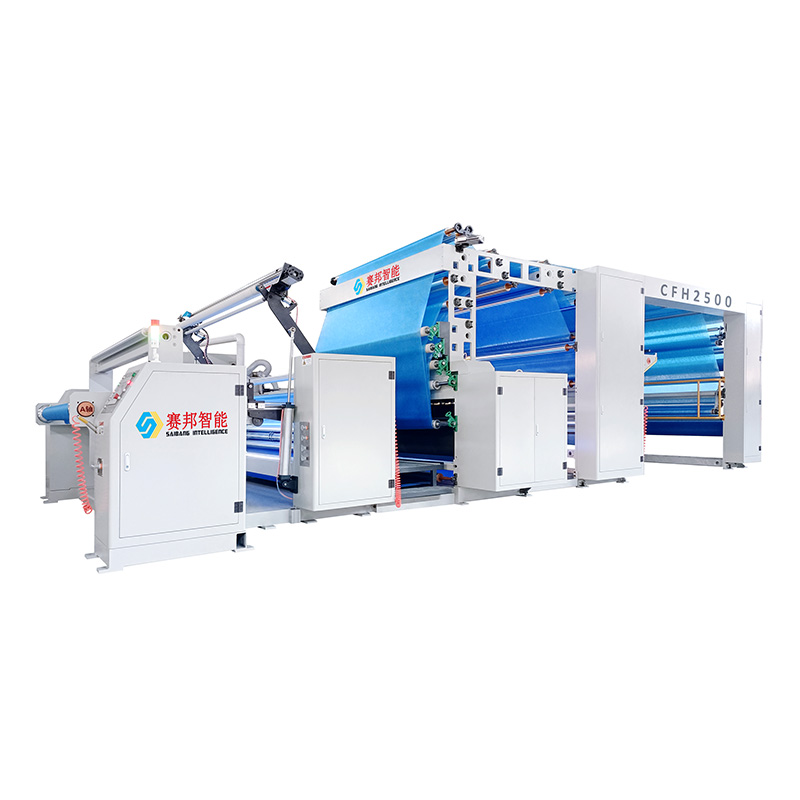
A modern Laminating Machine is not just a faster version of older equipment. It is a system designed to control coating weight, stabilize web tension, reduce start-up scrap, and recover heat more efficiently. These improvements directly target the two biggest cost centers: adhesive consumption and energy usage.
This article explains how today’s laminating technology reduces waste and cost, what to look for when sourcing equipment, and how SAIBANG solutions fit large-scale converting and packaging lines. If you are evaluating equipment options, you can view SAIBANG laminating machine solutions here: SAIBANG laminating machine
1) Why Adhesive Waste and Energy Costs Rise in Traditional Laminating Lines
Most adhesive waste comes from poor control during the moments that matter most: start-up, speed changes, splice transitions, and coating instability caused by tension fluctuation. Energy costs rise for a different reason: older systems rely on inefficient drying and heating methods, with large heat losses through exhaust and poorly controlled oven zones.
Typical drivers behind higher adhesive and energy costs include:
Over-application to avoid bonding failures, which increases adhesive cost and drying load
Uneven coating due to roller wear, inconsistent viscosity control, or unstable coating gap
Excess scrap at the beginning of each job because settings are tuned by trial
Dryer running hotter or longer than necessary because moisture removal is inefficient
Frequent slowdowns that keep the oven consuming power without producing saleable output
A modern laminating machine focuses on process control, not only mechanical speed.
2) How Modern Laminating Technology Reduces Adhesive Waste
Precise coating weight control reduces over-application
The most direct way to cut adhesive use is to apply only what the structure requires. When coating weight is stable, operators stop using safety margins to prevent delamination. That reduces both adhesive cost and energy used for solvent or water removal.
In practical production terms, stable coating means:
less variation across the web width
fewer weak-bond zones near edges
fewer reworks and roll rejections
less adhesive buildup on rollers and guides
Stable tension control reduces coating streaks and micro-defects
Adhesive waste is not only about grams per square meter. It is also about scrap caused by defects. Web tension variation can create coating ribs, streaks, wrinkles, and trapped air, which force the line to stop or reject output.
Modern laminating machines improve stability through better web path design and more accurate control of unwind and rewind dynamics. A stable web is easier to coat thinly and consistently, which is the foundation of adhesive savings.
Faster changeovers reduce start-up scrap
Start-up scrap is a hidden adhesive cost because the line consumes adhesive while producing material that cannot be shipped. Efficient adjustment and repeatable recipe settings reduce the number of meters wasted in each job change.
A modern laminating machine is typically designed to:
shorten the tuning period after material change
reach stable coating and bonding conditions faster
reduce scrap generated during speed ramp-up
Cleaner application reduces maintenance-driven waste
Excess adhesive leads to contamination on rollers and contact points, causing defects that often repeat until a full cleanup is done. When the machine can run with controlled coating and steady lamination pressure, it reduces buildup, which reduces downtime and reduces wasted adhesive during cleaning cycles.
3) How Modern Laminating Machines Cut Energy Consumption
Energy use in laminating is tied to the drying requirement and the efficiency of heating and airflow. Cutting energy does not mean lowering quality. It means removing only the required amount of moisture or solvent using the least amount of energy.
Lower adhesive load reduces drying energy
Applying less adhesive is the first energy-saving step. Drying is a major power consumer, especially in solvent-based or water-based systems. When coating weight is optimized, the dryer does less work, and the line can maintain output without excessive temperature settings.
Zone control improves heat efficiency
Modern ovens typically control temperature and airflow more precisely by zone. Instead of running the entire dryer at one high setting, zones can be tuned to match process stages. This improves efficiency and helps maintain stable lamination quality.
This matters because overdrying can also cause problems:
curled film due to heat stress
reduced optical clarity in certain structures
bonding inconsistency if adhesive cures too fast on the surface
More efficient airflow reduces wasted heat
Energy cost is not only heat generation. It is also heat loss. Efficient airflow design can improve evaporation and drying without excessive exhaust volume. When airflow is more effective, the machine can operate at lower temperature or shorter residence time for the same result.
Stable speed reduces energy waste during stop-and-go production
A line that stops frequently wastes energy because the oven remains hot and consumes power while output is paused. Process stability, fewer defects, and smoother roll handling reduce unplanned stops, which directly improves energy efficiency per finished roll.
4) Key Features to Evaluate When Sourcing a Laminating Machine for Cost Control
Selecting equipment for cost reduction requires more than checking maximum speed. You need to evaluate how the machine behaves in real production scenarios with different materials, adhesives, and operators.
Adhesive control and coating repeatability
Look for a system that supports consistent coating across long runs and different substrates. Ask the supplier how coating uniformity is maintained during speed changes and how coating settings are repeated from job to job.
Web handling and tension stability
If you laminate thin films or high-value decorative layers, tension control is critical. Instability increases defect scrap, which increases both adhesive and energy waste.
Dryer efficiency and control flexibility
Evaluate how drying is controlled:
whether temperature and airflow can be adjusted by zone
whether heat is distributed evenly
whether the system supports stable drying without overheating the substrate
Automation and recipe management
Even when the hardware is strong, operator variation can create waste. Equipment that supports recipe storage, repeatable settings, and fast parameter correction can reduce trial-and-error waste and increase stability.
Maintenance access and cleaning time
Cost reduction includes time. Faster cleaning and easier maintenance lower downtime and reduce the amount of adhesive wasted during line restart and tuning.
5) Adhesive Waste and Energy Cost Checklist for Different Lamination Scenarios
Different industries prioritize different structures, but the waste mechanisms are similar. The table below helps identify where to focus depending on your lamination use case.
| Application Scenario | Common Adhesive Waste Cause | Common Energy Cost Cause | What to Prioritize in a Modern Laminating Machine |
|---|---|---|---|
| Packaging film lamination | Overcoating to avoid delamination | High dryer load from thick coating | Precise coating control, stable tension, efficient drying |
| Decorative film and panel lamination | Defects from wrinkles or trapped air | Long dryer operation due to instability | Web handling stability, consistent pressure, controlled drying |
| Labelstock and functional films | Start-up scrap and frequent changes | Oven kept running during stops | Fast changeover, recipe repeatability, stable run performance |
| High-volume converting | Small defects become large scrap | Continuous high energy draw | Automation, stable speed control, efficient airflow and heating |
6) How SAIBANG Supports Cost-Efficient Lamination Projects
When buyers look for cost reduction, they often focus on adhesive price or energy price. The bigger lever is process efficiency and stability. SAIBANG laminating machines are designed to help converters and manufacturers reduce operating cost by improving coating control, web stability, and production continuity.
For project planning, SAIBANG supports:
equipment selection based on your material structure and output targets
configuration guidance for reducing adhesive overuse and stabilizing bonding quality
practical setup support focused on reducing start-up scrap and improving line stability
OEM and project-based solutions for different production requirements
To review the laminating machine solutions and discuss your line requirements, visit:
SAIBANG laminating machine
7) Practical Steps to Reduce Adhesive Waste and Energy Use After Installation
Even the best machine needs correct operating discipline. These steps help buyers get cost savings quickly.
Standardize coating recipes by material type and store them for repeatability
Track adhesive consumption per finished roll and compare across operators and shifts
Use defect mapping to link scrap causes to tension, coating, or drying parameters
Optimize drying zones gradually instead of raising temperature across the entire oven
Reduce unnecessary line stops by improving splice practices and roll preparation
When these practices are paired with a modern laminating machine, cost savings are not only theoretical. They show up in lower adhesive usage, fewer rejected rolls, and reduced energy cost per square meter of finished product.
Conclusion
Modern laminating machines reduce adhesive waste and energy costs by improving coating precision, stabilizing web tension, reducing start-up scrap, and using drying energy more efficiently. The best cost savings come from systems that control the process consistently, not from speed alone.
If your goal is to cut adhesive loss, reduce energy consumption, and keep lamination quality stable at scale, the most practical next step is choosing equipment designed for repeatable coating and efficient drying. SAIBANG offers laminating machine solutions built around these goals.