


How To Use A Laminating Machine Step By Step?
Laminating is a key process for combining films, nonwovens, paper, and other substrates into value-added composites. In hygiene products, packaging, and technical textiles, a well-set laminating line improves strength, softness, and barrier performance. To achieve stable results, operators must understand each step rather than simply pressing the start button. This guide explains how to use a Laminating Machine step by step, with practical notes that also apply to SAIBANG’s industrial laminating machine solutions.
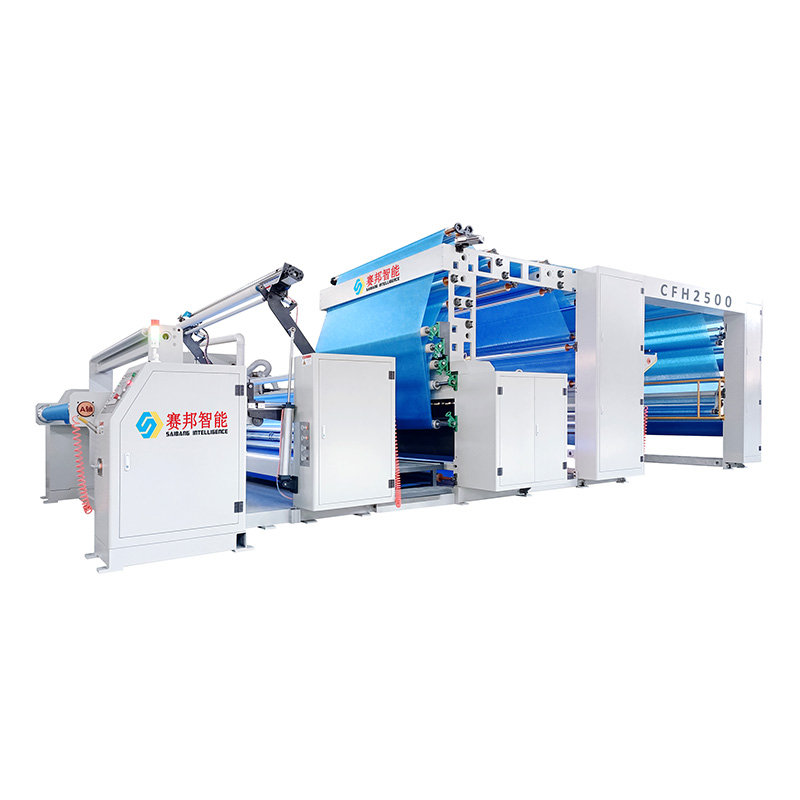
1. Understand the Laminating Method and Materials
Before operation, clarify which lamination method the line uses and what materials will be processed.
Common methods include:
hot melt adhesive lamination
thermal bonding with heated rollers
solvent-free polyurethane lamination
flame lamination for foams
Each combination of substrates and bonding technology has specific temperature, pressure, and speed requirements. For example, breathable films, nonwovens, and PE cast films need controlled temperatures to avoid shrinkage or pinholes. Reviewing the technical data sheets of both the adhesive and substrates prevents trial-and-error setup.
SAIBANG machines are designed to handle multiple laminate structures, so understanding the process window for each product recipe is the foundation of smooth production.
2. Prepare the Laminating Machine
A well-prepared line reduces waste during start-up and ensures safety.
Key preparation tasks:
check that emergency stops and safety guards function correctly
confirm that air supply and electrical connections match machine requirements
verify adhesive tank levels and filter cleanliness
inspect rollers, web guides, and nip points for contamination or damage
Cleaning dried adhesive or dust from rollers is particularly important. Contaminated surfaces often lead to streaks, delamination, or uneven gloss. On SAIBANG laminating systems, easy-access platforms and guarding make these visual inspections practical and fast.
3. Load and Thread the Substrates
The next step is installing the material rolls on their unwind stations and threading them through the web path.
Mount each roll on the appropriate shaft, ensuring correct orientation.
Use the core chucks and brakes to secure the roll and set initial tension.
Follow the threading diagram supplied with the machine, guiding the web through tension rollers and edge controls.
Align the web so that edge sensors read correctly and the web is centered at the laminating nip.
For multi-layer structures, each substrate must reach the bonding point under stable tension. Modern SAIBANG equipment uses precise tension control to keep nonwovens, film webs, and tissue layers aligned even at high production speeds.
4. Set Temperature, Pressure, and Speed
After threading, set the process parameters according to product specifications.
Typical parameters include:
preheating and laminating roller temperatures
adhesive melt temperature or mixing ratio
nip pressure between laminating rollers
line speed and acceleration ramp
web tension values for each unwind and rewind
A practical approach is to start with conservative settings recommended by the adhesive supplier and gradually optimize. For example, lower speed and moderate temperature can help verify bonding quality during initial trials. Once a stable window is confirmed, speed can be increased until the desired productivity level is reached.
5. Start the Adhesive and Coating System
If the laminating machine uses hot melt or liquid adhesive, the coating system must be brought online before full-speed production.
Step-by-step:
Heat the adhesive tank to the recommended temperature.
Circulate adhesive through filters and hoses to prevent cold spots.
Engage the coating head at low speed, checking for smooth, even application across the web.
Adjust coating weight using the metering roller, slot die settings, or pump speed.
Coating weight uniformity is critical for mechanical properties and cost control. SAIBANG laminating lines integrate precise metering systems and closed-loop temperature controls to maintain consistent adhesive behavior.
6. Engage the Laminating Nip and Begin Production
Once adhesive flow and web paths are stable, production can begin.
bring the second substrate into contact with the adhesive-coated web
gradually close the laminating nip to the target pressure
accelerate to the planned line speed while monitoring edge alignment and tension
check that there is no air entrapped between layers, which could cause bubbles or weak spots
During the first few minutes, operators should frequently inspect the laminate by cutting small samples and evaluating bonding uniformity, peel strength, and surface appearance.
7. Monitor Quality During Operation
Continuous monitoring ensures that minor deviations are detected before they generate large amounts of waste.
Important checkpoints:
visual inspection for wrinkles, bubbles, or telescoping rolls
measurement of coating weight at defined intervals
verification of laminate width and edge alignment
peel or shear tests to confirm bonding strength
temperature and tension trend logs from the control system
SAIBANG laminating machines support digital interfaces that display real-time process data. Recording these values builds a reference library for future product runs and simplifies troubleshooting.
8. Adjust Parameters for Optimization
Even when production seems stable, fine tuning can enhance performance.
Typical adjustments include:
increasing speed while slightly raising temperature to maintain bond strength
reducing coating weight to cut adhesive consumption without sacrificing quality
changing nip pressure to improve surface flatness or hand-feel
modifying tension setpoints when switching to different substrate stiffness
A small process change should always be followed by a short observation period and quality check. Documenting the new settings helps standardize the optimized recipe.
9. Roll Change and Splice Procedures
High-efficiency lamination lines require quick roll changes with minimal downtime.
General roll change sequence:
Prepare the new roll on a standby shaft.
As the existing roll nears its end, reduce speed slightly.
Use automatic or manual splicing equipment to join the new web to the old one.
Confirm that the splice passes through the laminating nip without disturbance.
Some SAIBANG laminating systems can be configured with automatic turrets or flying splice functions, supporting long, continuous production of hygiene or packaging laminates.
10. Shutdown and Cleaning
At the end of production or for product changeover, proper shutdown protects both machine and materials.
Steps for controlled shutdown:
gradually reduce speed and open the laminating nip
stop adhesive application and allow coating heads to purge
cool heaters according to supplier recommendations
remove remaining webs from the path and secure them
clean adhesive residue from rollers and guards
Controlled cooling prevents thermal shock to rollers and prolongs bearing life. Thorough cleaning avoids contamination when the next product structure requires different adhesives or colors.
Example: Parameters Overview Table
The table below summarizes how key parameters typically interact when using an industrial laminating machine:
| Parameter | Typical Range (Example) | Effect on Laminate |
|---|---|---|
| Laminating Temperature | 80–180 °C (depending on materials) | Higher values increase bond strength but risk substrate deformation |
| Nip Pressure | 30–80 N/mm | Greater pressure improves contact but may mark soft substrates |
| Line Speed | 50–350 m/min | Faster speed increases productivity but narrows the process window |
| Coating Weight | 1–20 g/m² | Too low weakens bonding; too high raises cost and stiffness |
| Web Tension | 5–40 N (per web) | Stable tension prevents wrinkles and web breaks |
Specific settings must always be tuned according to substrate type, adhesive chemistry, and product performance requirements.
How SAIBANG Laminating Machines Support Easy Operation
While the basic steps of lamination apply to most machines, the design of the equipment determines how easy and reliable the process is. SAIBANG’s laminating machine range is developed for nonwoven, film, and hygiene product manufacturers who need:
user-friendly control systems with recipe storage
precise tension and temperature control for delicate substrates
modular coating heads for hot melt or liquid adhesives
efficient unwind and rewind sections with high-capacity roll handling
robust safety features and accessible maintenance points
These capabilities simplify each step outlined above, from threading and setup to optimization and shutdown, allowing operators to achieve consistent laminating quality across multiple product types.
Using a laminating machine step by step is not only about following a checklist; it is about understanding how each setting influences the final laminate. With carefully prepared materials, correct parameter configuration, and continuous monitoring, manufacturers can obtain high-performance composites that meet demanding market requirements. When combined with the engineering stability of SAIBANG’s equipment, these practices help factories build efficient, reliable lamination lines for long-term production.