


How Long Is The Lifespan Of A Diaper Core Forming Machine?
The lifespan of a diaper core forming machine is one of the most decisive factors for hygiene product manufacturers planning long-term production capacity, cost control, and equipment investment strategy. A machine that produces stable, well-formed diaper cores over many years becomes a strategic asset, enabling factories to serve diverse markets and maintain consistent quality. Understanding what affects machine longevity—and how modern models such as SAIBANG’s diaper core forming machines are engineered for long-term durability—helps factories make informed purchasing and maintenance decisions.
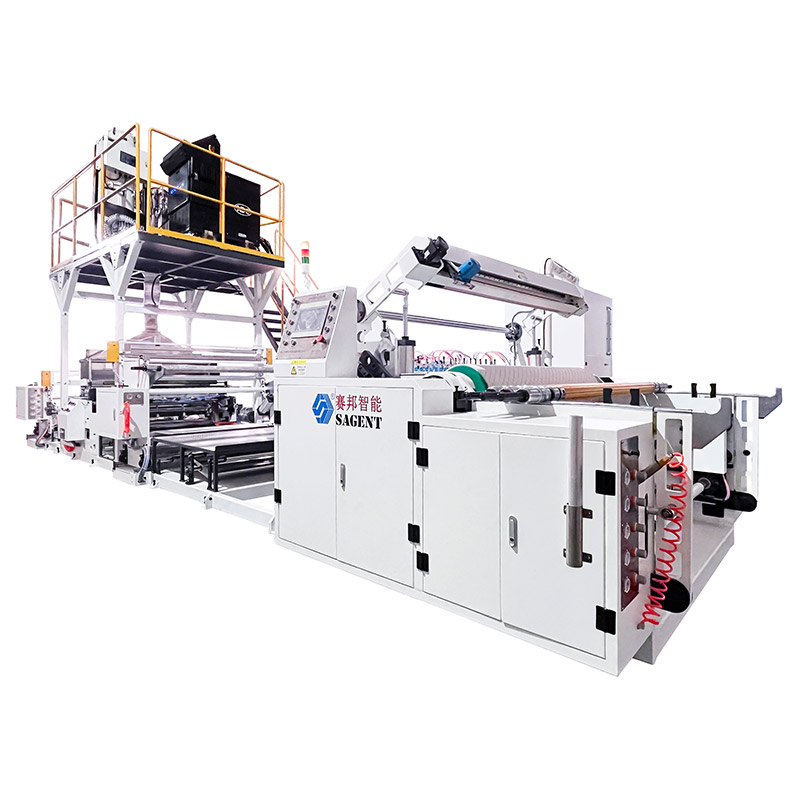
Typical Lifespan Range of a Diaper Core Forming Machine
A high-quality core forming machine generally operates reliably for 8–15 years depending on usage intensity, maintenance routines, environmental conditions, and the machine’s build quality. In well-managed facilities with stable raw materials and scheduled servicing, the lifespan may extend beyond 15 years. Machines designed with modular components, servo-driven controls, and reinforced forming systems—such as those developed by SAIBANG—often outperform traditional models in long-term reliability.
The variation in lifespan comes from the nature of diaper production: high-speed forming, continuous SAP dispensing, and 24-hour operation place stress on mechanical systems. When supported by preventive maintenance and robust engineering, these systems perform far longer than lower-grade commercial equipment.
Core Factors Affecting Machine Lifespan
Different components of a diaper core forming machine wear at different rates. The following areas contribute most to longevity:
1. Structural Durability
The forming box, frame, and tension control structures experience continuous vibration and airflow pressure. Machines built from thick-gauge steel and precision-welded frames resist fatigue and maintain dimensional stability over years of constant use.
2. Servo System Quality
Servo motors govern cutting accuracy, SAP patterns, and synchronization of materials. High-performance servo systems retain calibration longer and handle speed changes smoothly, reducing internal wear.
3. Raw Material Conditions
Fluff pulp density, SAP granule size, and tissue moisture affect how the machine handles forming. Poorly controlled raw materials cause blockages, misfeeds, and abrasion.
4. Environmental Control
Humidity, dust levels, and airflow influence sensor accuracy and forming box performance. Controlled factory environments significantly extend machine service life.
5. Maintenance Discipline
Proper lubrication, cleaning, and calibration schedules prevent premature wear of rollers, blades, bearings, and conveyors.
These combined factors shape how long the machine sustains high-speed production without decline in precision.
Table: Components and Their Expected Service Life
| Component | Typical Service Life | Notes |
|---|---|---|
| Servo Motors | 6–10 years | Lifespan extends with clean electrical environment |
| Forming Box | 10–15 years | Stable if airflow remains regulated |
| SAP Dosing System | 5–8 years | Granule abrasion affects long-term reliability |
| Cutting System | 3–6 years | Blades replaced frequently; motors last longer |
| Conveyors & Rollers | 5–10 years | Dependent on material friction |
| Sensors & Electronics | 4–8 years | Environmental protection is critical |
SAIBANG designs key systems for extended usability with upgradeable modules, allowing customers to refurbish critical parts instead of replacing entire machines.
How Production Intensity Influences Machine Lifespan
Factories operating 24 hours per day push machines to their maximum output cycles, accumulating wear faster. However, high-quality machines designed for industrial-scale production withstand continuous loads better than budget alternatives.
Production intensity affects:
motor and gearbox heating cycles
vibration fatigue in structural frames
SAP and pulp flow consistency
cutting system alignment
overall mechanical fatigue
Factories that schedule short daily downtime windows for inspection and cleaning enjoy longer equipment life than factories running uninterrupted without maintenance breaks.
How Maintenance Practices Extend Machine Lifespan
Maintenance quality remains the single largest controllable factor in extending machine service life. A well-planned maintenance schedule typically includes:
Routine Tasks
lubrication of moving shafts and bearings
cleaning fluff residues from forming boxes
inspecting SAP feeding channels for blockage
checking blade wear and alignment
Scheduled Interventions
calibration of servo motors
replacement of high-friction rollers
software updates for synchronization control
performance monitoring through digital interfaces
SAIBANG equipment is developed with accessible maintenance zones, clear adjustment settings, and smart controls that alert operators to inconsistencies before failures occur.
The Role of Spare Parts Availability
A machine’s lifespan depends heavily on the availability of high-quality replacement parts. Manufacturers offering stable long-term support—like SAIBANG—ensure that forming components, servo modules, cutting units, and electronic parts remain accessible for years.
Factories with reliable spare parts support experience:
shorter downtime
fewer emergency repairs
improved accuracy over time
better resale value for used equipment
This also allows machines to be used well beyond their initial estimated lifespan through staged refurbishment.
How SAIBANG Machines Are Engineered for Long Lifespan
SAIBANG’s diaper core forming machines integrate several engineering features designed to maximize durability:
Reinforced steel frames to reduce deformation under vibration
High-precision servo control for long-term cutting accuracy
Modular forming systems that allow component-level upgrades
Dust-resistant electronics housings extending electrical lifespan
Efficient material pathways minimizing abrasion from SAP
Digital monitoring systems for predictive maintenance
These engineering choices reduce mechanical stress, improve process stability, and support long-term production performance across varying diaper types.
Environmental and Operational Conditions That Influence Longevity
Manufacturers should consider how factory conditions affect machine lifespan:
Temperature
High heat accelerates motor degradation and electronic sensor drift.
Humidity
Moisture damages control systems and affects pulp fluff fluidity.
Air Quality
Dust levels influence PLC housings, servo motors, and junction points.
Operator Skill Level
Improper handling of forming plates, tension adjustments, or SAP calibration can shorten the lifespan of critical components.
Establishing environmental control policies significantly boosts equipment life expectancy.
When to Refurbish Instead of Replace
Refurbishment becomes ideal when:
the core frame remains stable
servo motors can be recalibrated
only worn modules require replacement
production needs have not significantly changed
Upgrading SAP feeding modules, cutting systems, or digital controls can add several years of productive life. SAIBANG machines are designed with upgrade paths specifically for this purpose, reducing lifetime cost-of-ownership.
Summary
A well-built diaper core forming machine lasts:
8–15 years under standard industrial use
15+ years with strong environmental control and disciplined maintenance
Beyond 20 years when supported with spare parts and modular upgrades
SAIBANG’s engineering philosophy ensures that its diaper making and core forming machines deliver long-term production stability, low downtime, and upgrade flexibility, making them a durable investment for modern hygiene product manufacturers. With proper maintenance and environmental management, factories can rely on these machines for well over a decade of continuous high-speed operation.