


Is A Non Woven Embossing Machine Suitable for Medical Fabric?
The use of nonwoven materials in the medical industry has increased rapidly due to the need for clean, breathable, and hygienic fabrics suitable for disposable masks, surgical gowns, protective clothing, and medical drapes. As demand grows, manufacturers must adopt equipment capable of producing uniform texture, stable bonding, and high-output production. A key question for many factories is whether a non woven Embossing Machine is suitable for processing medical-grade fabrics.
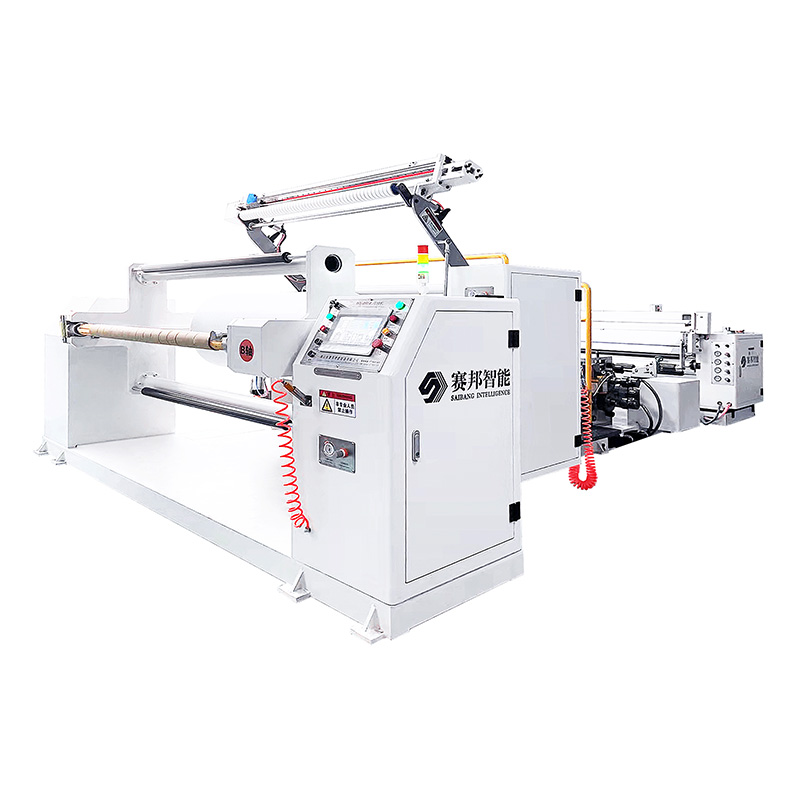
Nonwoven embossing equipment is widely used to enhance material structure, improve bonding strength, and apply functional surface textures. SAIBANG’s embossing machine series is engineered to support both hot air nonwoven and spunbonded nonwoven materials, which are the foundation of most medical textiles. Understanding how the equipment interacts with medical fabrics helps determine suitability and ensures compliance with industry requirements.
How Medical Fabrics Behave During Embossing
Medical fabrics differ from industrial or hygiene-grade nonwovens because they require controlled air permeability, stable fiber bonding, and high cleanliness. Embossing enhances these properties by applying pressure and heat to produce a more consistent texture. When executed correctly, embossing helps achieve uniform thickness, improves resistance to tearing, and maintains softness against the skin.
Medical nonwovens such as SMS, spunbond, and meltblown layers must remain structurally stable during processing. A well-designed embossing system distributes pressure evenly, preventing fiber deformation and ensuring that filtration performance or breathability is not compromised.
Machine Compatibility With Medical-Grade Materials
SAIBANG embossing systems are designed to run hot air nonwoven and spunbonded nonwoven—the most common materials used in medical environments. This compatibility is essential because medical fabrics rely on fine fiber webs and multiple layers that must remain intact after embossing.
Below is an example of machine capabilities based on SAIBANG-standard specifications:
| Feature | Specification |
|---|---|
| Adaptation Materials | Hot air nonwoven, spunbonded nonwoven |
| Finished Product Width | 1400–1600 mm options |
| Embossing Width | 1460–1660 mm |
| Unwinding Diameter | up to Φ1200 mm |
| Winding Diameter | up to Φ800 mm |
| Design Speed | 120 m/min |
| Normal Speed | 60–100 m/min depending on pattern and material |
These specifications demonstrate that the equipment supports both light and dense medical fabrics and allows manufacturers to maintain stable, continuous production without risking fiber damage.
Benefits of Using an Embossing Machine for Medical Fabric
Embossing machines contribute several key advantages to medical textile production. The benefits extend beyond appearance and influence the performance and usability of the final medical product.
Enhanced Bonding Strength
The embossing pattern reinforces bonding between fibers, especially in spunbond and SMS fabrics. Better bonding improves fabric durability during medical use, especially when the material is used for garments requiring repeated bending or contact.
Improved Filtration Stability
While embossing does not directly alter filtration levels, it helps maintain structural consistency in multilayer fabrics. Even surface tension reduces localized stress points, ensuring layers do not separate during processing.
Smooth and Comfortable Surface
For products such as masks or gowns, the embossed texture enhances soft touch and reduces fiber shedding. Medical fabrics must be safe for direct skin contact, and controlled embossing helps achieve that.
Higher Visual Uniformity
Medical items require consistent appearance for quality assurance. Embossing produces a stable, repeatable pattern that enhances uniformity across batches.
These benefits align with manufacturing goals for protective medical textiles, where uniformity and reliability are critical.
Temperature and Pressure Requirements When Working With Medical Nonwovens
Because medical fabrics are sensitive to deformation, precise control over temperature, pressure, and speed is essential. Excessive heat can melt fibers unevenly, while insufficient pressure reduces bonding effectiveness.
Key parameters typically considered include:
Temperature: Adjusted to material melting point without causing shrinkage
Pressure Distribution: Must be evenly applied across the embossing width
Speed: Regulated to prevent overheating or stretch deformation
Pattern Density: Selected to maintain breathability
SAIBANG designs embossing systems with stable roller pressure balance, ensuring smooth fiber bonding without compromising the functionality of delicate medical textiles.
When Is Embossing Appropriate for Medical Fabrics?
Embossing is used in most medical applications, but specific use cases demonstrate where the technology provides optimal value. Examples include:
mask outer layers that need water repellency and structural definition
surgical gown layers requiring increased tear resistance
medical wipes where texture improves absorption performance
disposable bed covers that need consistent strength
sanitary and protective fabrics requiring stable bonding
In each case, embossing contributes to both function and appearance, making it an important part of the production cycle.
Production Efficiency and Quality Stability
For manufacturers supplying hospitals or medical distributors, consistency in production is essential. Nonwoven embossing machines support high-speed output, which helps factories maintain competitive delivery timelines without sacrificing quality.
SAIBANG machines, with running speeds between 60–100 m/min depending on pattern density, allow stable long-run operation. The system’s large unwinding and winding diameters support extended production cycles, reducing downtime and improving cost efficiency.
Stable operation is especially important when working with medical fabrics, as defects or inconsistencies may lead to rejection of entire batches. Reliable embossing minimizes variability, enabling consistent product performance.
Pattern Selection for Medical Applications
Pattern design influences texture, airflow, and bonding distribution. Manufacturers typically choose patterns that complement medical textile performance.
Examples of commonly used patterns include:
point-bond patterns for masks and medical gowns
diamond patterns for improved stability
embossed linear patterns for wipes and cover sheets
micro-patterns for soft-touch applications
The pattern must align with medical compliance standards and ensure that the embossed fabric maintains its mechanical integrity. SAIBANG embossing rollers can be customized to achieve specific pattern density and appearance according to customer needs.
Why SAIBANG Embossing Machines Are Suitable for Medical Fabric Production
Medical fabric processing requires precise equipment that can operate at controlled speed, consistent pressure, and stable temperature. SAIBANG’s embossing machine solutions meet these requirements through:
high-precision roller balancing
compatibility with hot air and spunbond nonwovens
large-format unwinding and winding capacity
customizable pattern rollers
stable motion control at high speeds
The embossing machine series is designed to support medical textile production lines needing reliability, high output, and pattern accuracy.
Conclusion
A non woven embossing machine is highly suitable for medical fabrics when designed with controlled pressure, heat, and pattern accuracy. Medical-grade nonwovens such as spunbond, SMS, and hot air fabrics respond well to embossing, gaining structural reinforcement, better bonding, and improved surface quality. As long as the machine is engineered to protect fine fiber layers and maintain uniform speed, embossing becomes an essential step in producing medical masks, gowns, wipes, and protective materials.
SAIBANG’s embossing machine solutions offer the precision, stability, and material compatibility required for the medical industry, supporting manufacturers seeking efficiency, quality consistency, and high-performance results. If you need more details about non woven embossing machine, please contact us.