


What Is A Nonwoven Slitting Machine?
In the modern textile and hygiene industries, nonwoven fabric has become one of the most versatile materials, used in products ranging from medical masks and diapers to filters and packaging. However, before nonwoven fabric can be used in these applications, it must be cut into specific widths and roll sizes suitable for downstream processing. This is where the nonwoven Slitting Machine plays a vital role. It ensures precise cutting, consistent roll formation, and high-speed production—all essential for achieving industrial efficiency.
In this article, we will explain what a Nonwoven Slitting Machine is, how it works, what components it includes, and why it is essential for manufacturers. We will also highlight how SAIBANG’s nonwoven slitting machines are designed for superior accuracy, high-speed operation, and excellent material handling, meeting the latest global standards for nonwoven processing.
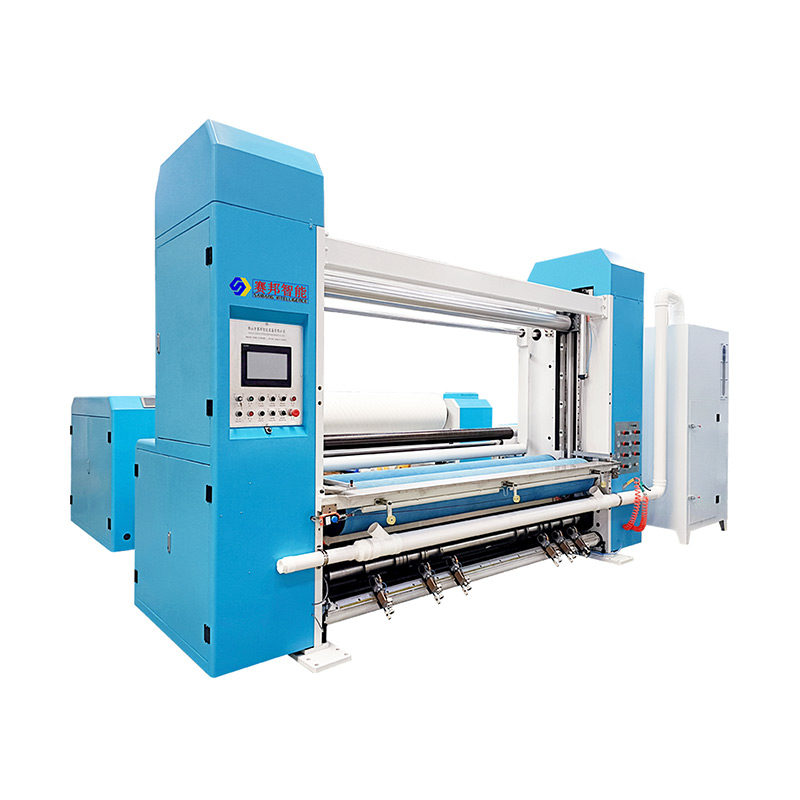
1. Understanding Nonwoven Slitting Technology
A nonwoven slitting machine is specialized equipment that cuts wide rolls of nonwoven fabric into narrower, evenly wound rolls according to production requirements. Unlike traditional woven materials, nonwoven fabric consists of fibers bonded together by heat, pressure, or chemicals rather than weaving or knitting. This unique structure requires specialized cutting methods to avoid fraying or distortion during processing.
The slitting machine’s main purpose is to achieve precise width division without damaging the fiber structure. It handles delicate materials like spunbond, melt-blown, or spunlace nonwovens, which are commonly used in hygiene products, medical disposables, and industrial filters.
SAIBANG nonwoven slitting machines are designed to maintain perfect edge quality and roll uniformity, even when operating at high speeds exceeding 400 meters per minute. The machines integrate advanced servo systems and automatic tension control, ensuring that soft, lightweight fabrics are slit and rewound with minimal deformation.
The process results in clean, smooth edges suitable for automatic converting lines—an essential factor for industries where product appearance and structural integrity are key.
2. Working Principle and Process Flow
The slitting process for nonwoven materials is a combination of precise mechanical movement and intelligent tension regulation. The machine typically operates through three main stages: unwinding, slitting, and rewinding. Each stage is designed to handle the soft and extensible nature of nonwoven fabrics carefully.
Unwinding:
The jumbo roll of nonwoven material is mounted on the unwinding stand. Sensors and load cells continuously monitor the web tension to maintain even feeding. Automatic edge guiding systems ensure that the material runs straight into the cutting zone.Slitting:
As the material enters the slitting section, rotary shear knives or razor blades make precise cuts based on preset widths. Nonwoven materials often require shear slitting to achieve smooth, sealed edges that prevent fiber shedding. Blade angles and pressure are adjusted according to fabric thickness and density.Rewinding:
The slit fabric strips are rewound onto new paper cores. The rewinding system controls both the torque and speed, ensuring each roll is tight, symmetrical, and free from wrinkles or telescoping.
In SAIBANG’s advanced models, these three processes are fully automated and synchronized through PLC systems and servo-driven motors. Operators can easily control cutting width, speed, and tension from a digital touchscreen. This automation minimizes human error and guarantees consistency across production batches.
| Process Stage | Description | Key Function |
|---|---|---|
| Unwinding | Feeds jumbo nonwoven roll | Maintains steady tension |
| Slitting | Cuts fabric into smaller widths | Ensures clean and accurate edges |
| Rewinding | Collects slit rolls | Forms compact, aligned rolls |
This continuous workflow allows for efficient, high-speed operation while maintaining gentle handling of delicate nonwoven fabrics.
3. Machine Components and Structural Features
The performance of a nonwoven slitting machine depends on the precision and reliability of its individual components. Each part is engineered to maintain control and minimize material stress during operation.
1. Unwinding Unit
The unwinder supports large-diameter rolls, often weighing hundreds of kilograms. SAIBANG’s hydraulic lift system enables easy loading and alignment. The unit includes an automatic tension control device that adjusts the braking force based on material feedback, preventing fabric stretching or slackness.
2. Slitting Section
This is the core of the machine. The slitting section is equipped with rotary shear knives made of high-grade alloy steel for extended durability. Blade pressure and alignment can be finely tuned using micrometric controls. The cutting shafts are dynamically balanced to eliminate vibration during high-speed operation.
3. Rewinding Unit
The rewinder determines the roll quality. Dual rewinding shafts ensure equal tension on both sides, preventing telescoping or uneven roll ends. The use of pneumatic friction shafts allows for individual tension control for each slit roll, resulting in uniformly wound products.
4. Control System
The machine is driven by servo motors and PLC systems that maintain synchronization among all moving parts. Operators can program cutting widths, roll diameters, and production speed through a touchscreen HMI interface, making adjustments intuitive and efficient.
5. Frame and Safety Mechanisms
A sturdy steel frame with anti-vibration supports provides stability during high-speed operations. Safety sensors and emergency stop systems are integrated to ensure operator safety, while anti-static devices protect the fabric from static buildup that can attract dust or cause web misalignment.
Each of these components in SAIBANG machines is meticulously designed to balance performance with precision, making them suitable for continuous, high-volume production in demanding industrial environments.
4. Advantages of Nonwoven Slitting Machines
The nonwoven slitting machine offers a range of benefits that directly impact productivity, product quality, and operational efficiency. These advantages make it indispensable in the nonwoven manufacturing process.
1. Superior Cutting Accuracy
Precision cutting is essential in applications such as surgical masks and sanitary products. SAIBANG’s machines maintain consistent slitting widths within a tolerance of ±0.1 mm, ensuring that every roll meets the exact specification.
2. High Efficiency and Automation
Automated blade positioning, automatic web alignment, and tension control systems reduce operator intervention. This increases throughput while minimizing the potential for human error.
3. Versatile Material Compatibility
The machine handles a wide range of nonwoven fabrics—spunbond, melt-blown, spunlace, and composite nonwovens—without compromising edge quality. Adjustments for different densities or fiber types can be made in seconds.
4. Minimal Waste Generation
Advanced tension balancing prevents edge tearing or uneven rewinding, reducing material waste. This contributes to sustainable production practices and lower operating costs.
5. Excellent Roll Quality
With pneumatic friction winding and balanced torque distribution, each finished roll has a consistent surface tension and even edges, ensuring smooth performance in downstream converting processes such as laminating or folding.
6. Easy Maintenance and Longevity
SAIBANG machines are designed for durability and low maintenance. Components like cutting blades and bearings can be quickly replaced, and the open structure allows for easy cleaning between production runs.
These advantages position the nonwoven slitting machine as a critical investment for manufacturers seeking precision, reliability, and high-speed production in a competitive market.
5. Applications and Industrial Importance
Nonwoven slitting machines are used across a diverse range of industries where hygiene, strength, and precision are crucial. Their ability to deliver accurate, uniform rolls makes them essential for both large-scale production and customized applications.
1. Medical and Hygiene Products
In the healthcare sector, nonwoven fabric is used for disposable masks, surgical gowns, caps, and sanitary napkins. Precise slitting ensures proper width for further converting processes, reducing material waste while maintaining product uniformity.
2. Filtration Industry
High-performance filters rely on nonwoven materials for air and liquid purification. Slitting machines cut filter rolls into exact widths required for pleating and assembly, ensuring consistent performance and efficiency.
3. Agriculture and Packaging
In agricultural applications, nonwoven fabrics are used for crop protection covers and mulch films. In packaging, they provide lightweight, tear-resistant alternatives to traditional materials. Slitting allows these fabrics to be tailored for various roll widths and purposes.
4. Furniture and Upholstery
Nonwoven materials serve as lining and reinforcement fabrics in furniture production. Accurate slitting guarantees consistent roll sizes, improving downstream processing during sewing or lamination.
5. Future Trends
As sustainability becomes a core focus, nonwoven production is shifting toward biodegradable fibers and recycled materials. SAIBANG is at the forefront of this transition, developing smart slitting machines with IoT-based monitoring and energy-efficient servo drives, enabling real-time performance optimization and lower power consumption.
These machines not only meet today’s high production standards but also anticipate the needs of future eco-conscious manufacturing environments.
Conclusion
A nonwoven slitting machine is a precision-driven, high-performance system essential for converting nonwoven fabric into standardized rolls suitable for a wide range of industrial applications. By combining mechanical accuracy, automated control, and advanced material handling, it ensures efficient production with minimal waste.
SAIBANG’s nonwoven slitting machines embody these principles—featuring intelligent controls, energy-efficient designs, and stable operation even at high speeds. They deliver the precision and reliability that modern manufacturers demand while promoting sustainable and cost-effective production.
In an era where efficiency and quality define competitiveness, the nonwoven slitting machine stands as a cornerstone of modern textile processing—and SAIBANG continues to lead this innovation with technology that combines accuracy, automation, and endurance.