


What Factors Affect Output Stability in Roll Processing Machines?
Output stability is one of the biggest concerns for buyers investing in roll processing equipment. In non-woven fabric production, packaging material processing, hygiene product supply, and textile converting, unstable output can lead to uneven embossing, material waste, slower production speed, and higher labor cost. For factories planning long-term production, machine stability matters as much as machine capacity.
Our non-woven fabric Embossing Machine is used for roll material embossing, texture forming, and continuous fabric processing. For buyers evaluating an industrial roll processing machine, stable output depends on material feeding, tension control, roller accuracy, temperature control, frame rigidity, and operator-friendly adjustment.
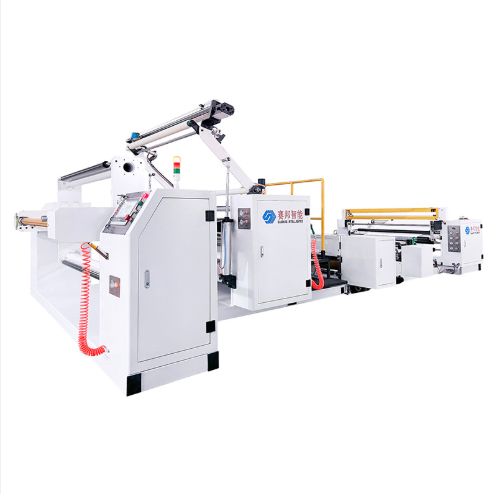
Material Feeding Affects Continuous Production
Roll processing starts with feeding. If the material enters the machine unevenly, the finished surface may show wrinkles, misalignment, or inconsistent embossing depth. This is especially important for non-woven fabric because the material is lightweight and can shift easily during high-speed operation.
A stable feeding system helps keep the roll aligned and supports smoother production. For B-end buyers, this reduces material waste and helps operators maintain consistent output during long runs.
In bulk production, small feeding problems can quickly become large cost problems. That is why buyers should check how the machine handles roll loading, edge alignment, and continuous feeding before confirming an order.
Tension Control Keeps Material Flat
Tension control is one of the core factors in roll-to-roll processing. If tension is too loose, the material may wrinkle or drift. If tension is too tight, the fabric may stretch, deform, or tear. A stable tension system helps the material stay flat as it passes through embossing rollers.
For non-woven fabric embossing, this directly affects pattern clarity and production consistency. Buyers supplying hygiene products, packaging materials, cleaning products, or disposable textile markets need stable pattern output across large production batches.
Good tension control helps reduce rejected material and improves the reliability of repeat production.
Roller Accuracy Decides Embossing Quality
The embossing roller is the key part of a non-woven fabric embossing machine. Roller precision affects pattern depth, texture clarity, pressure balance, and finished product appearance. If roller alignment is poor, one side may be deeper than the other, creating uneven product quality.
For factories, roller quality affects both performance and market value. A clean, uniform embossed pattern makes the material look more professional and easier to sell to downstream customers.
When choosing an industrial roll processing machine, buyers should pay attention to roller surface quality, pressure adjustment, pattern consistency, and replacement convenience.
Temperature And Pressure Need Stable Control
Some embossing processes require heat and pressure to form stable textures. If temperature changes too much during production, the embossing effect may become uneven. If pressure is unstable, the pattern may appear too shallow or too deep.
A reliable machine should allow operators to adjust temperature and pressure according to material thickness, pattern type, and production speed. This helps factories process different non-woven materials more flexibly.
Stable control also reduces trial-and-error time when switching material rolls or production requirements.
Machine Frame Rigidity Reduces Vibration
Output stability also depends on machine structure. A weak frame can cause vibration, roller movement, and unstable pressure during operation. This may affect embossing accuracy and shorten the service life of important components.
A strong machine frame supports continuous operation and helps keep the rollers, feeding system, and winding section aligned. For industrial buyers, this is important because long working hours require stable mechanical support.
Frame rigidity is especially valuable for factories that run machines daily and need consistent output over time.
Product Details Can Match Different Production Needs
Different factories process different roll materials. Some buyers focus on soft non-woven fabric, while others need heavier materials, wider rolls, or specific embossed patterns. Production requirements may also vary by speed, roll width, embossing depth, and downstream application.
Machine details such as roller pattern, working width, heating method, pressure adjustment, unwinding structure, rewinding system, and control panel can be planned according to the buyer’s production needs. This helps factories build a machine setup that matches real production conditions instead of using one general configuration for every material.
For buyers expanding production lines or upgrading existing equipment, this kind of production adaptation can improve output efficiency and reduce future adjustment problems.
Operator Convenience Improves Daily Stability
Even a strong machine can produce unstable results if operation is too difficult. Clear controls, easy adjustment, accessible maintenance points, and simple roll change structure help operators keep production stable.
For factory managers, operator-friendly equipment can reduce training time and lower the chance of mistakes during shift changes. This is important for factories that need continuous production or multiple operators working on the same line.
A machine that is easier to adjust and maintain often delivers more stable long-term output.
Conclusion
Output stability in roll processing machines depends on material feeding, tension control, roller accuracy, temperature and pressure stability, machine frame strength, and operator-friendly design. For non-woven fabric embossing, these factors directly affect pattern quality, production speed, material waste, and long-term factory efficiency.
We support buyers sourcing non-woven fabric embossing machines for textile converting, hygiene material production, packaging material processing, cleaning product materials, and roll-to-roll industrial applications. Our non-woven fabric embossing machine offers a practical solution for buyers who need stable output, flexible configuration, and reliable production support.
For wholesale inquiries, sample testing, machine configuration review, or supplier capability evaluation, please share your material type, roll width, embossing pattern, target speed, and production plan. Our team can help recommend a suitable roll processing solution and support your equipment purchasing decisions.