


How Nonwoven Lines Support Medical and Protective Material Production?
Medical and protective material production depends on stable materials, clean processing, and consistent output. Nonwoven materials are widely used in hygiene products, absorbent cores, protective layers, medical pads, disposable care products, and related converting applications.
For factories and project buyers, the right equipment does more than increase production speed. It helps control material feeding, bonding, cutting, forming, and final product consistency. A sap core sheet making machine is closely connected with absorbent material processing, especially for hygiene and protective product manufacturers that need stable core structure and reliable production flow.
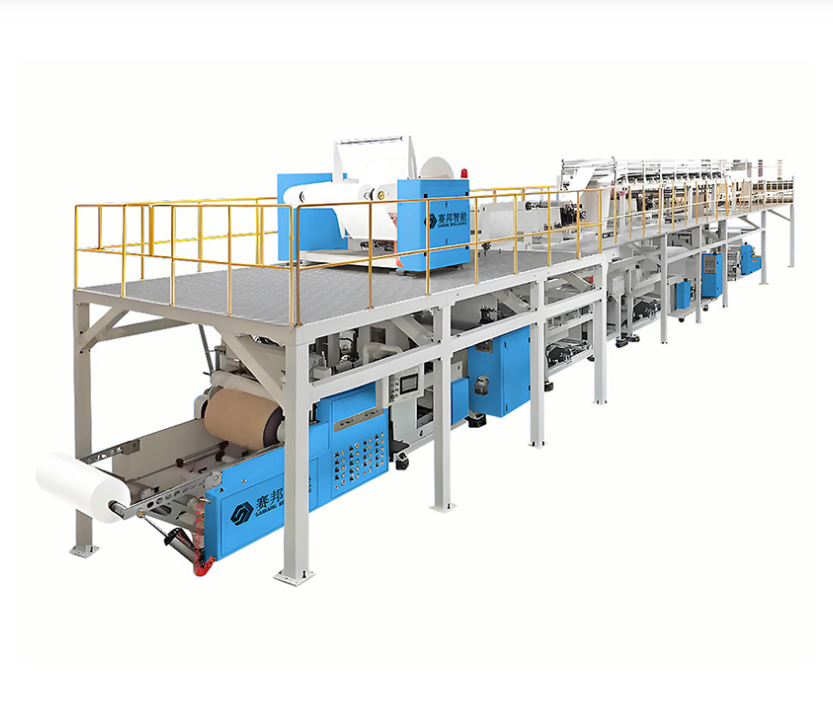
Nonwoven Processing Supports Absorbent Product Manufacturing
Many medical and protective products need soft, breathable, and absorbent structures. Nonwoven materials are often used together with SAP, pulp, tissue, film, and other layers to create functional sheet materials.
A nonwoven fabric production line can support these processes by handling roll materials, forming layers, and preparing materials for further converting. For absorbent core production, stable feeding and even material distribution are especially important.
If the material layer is uneven, the finished product may have poor absorption, unstable thickness, or weak comfort performance.
Stable Feeding Reduces Material Waste
In medical and hygiene-related production, material waste can become a major cost issue. Nonwoven rolls, SAP, pulp, and composite layers must be fed smoothly to avoid misalignment or uneven output.
A good production line should control material movement carefully. Stable feeding helps reduce wrinkles, breakage, and production interruption. This is important for factories handling bulk orders or long production runs.
For buyers, lower waste means better cost control and more predictable production efficiency.
Core Sheet Quality Affects Product Performance
The absorbent core is a key part of many hygiene and protective products. It affects liquid absorption, distribution speed, thickness stability, and user comfort.
A SAP core sheet making machine helps process absorbent materials into a more stable sheet structure. This is useful for diaper, pad, underpad, medical care, and disposable hygiene product production.
For manufacturers, consistent core sheet quality can help improve final product reliability and reduce customer complaints.
Automation Improves Production Consistency
Manual operation can create variation, especially in high-volume production. Automation helps keep speed, feeding, forming, and cutting more consistent.
For factories producing medical and protective materials, consistency is critical. Buyers need equipment that can support continuous operation while keeping product size and structure stable.
Automation also reduces labor pressure, improves production planning, and helps operators manage complex material combinations more efficiently.
Custom Configuration Helps Match Different Applications
Different factories may produce different absorbent or protective materials. Some focus on baby care products, some on adult care products, and others on medical disposable materials.
OEM/ODM equipment support allows buyers to adjust machine configuration based on material structure, product width, production speed, and factory layout. This helps the equipment fit actual production needs instead of forcing the buyer to adapt to a standard setup.
Useful customization points may include:
working width
feeding structure
SAP distribution system
sheet forming method
cutting and transfer design
control system settings
Clear customization helps buyers build a more practical production solution.
What Buyers Should Check Before Ordering
Before investing in nonwoven or absorbent core equipment, buyers should not only compare machine price. The machine must match the product structure and long-term production plan.
Important details include:
material type and layer structure
required product width
SAP application amount
production speed
forming stability
cutting accuracy
operation difficulty
spare parts support
installation and training support
These factors affect production efficiency, maintenance cost, and final product quality.
Supplier Support Matters For Long-Term Production
Medical and protective material production requires stable technical support. Equipment installation, operator training, spare parts supply, and process adjustment all influence long-term performance.
For overseas buyers, clear communication before production is very important. Sharing material samples, drawings, target output, and factory layout can help the supplier recommend a more suitable machine configuration.
A practical supplier should understand both equipment structure and real production needs.
Conclusion
Nonwoven lines support medical and protective material production by improving material feeding, layer forming, absorbent core stability, automation, and output consistency. For factories producing hygiene, care, and disposable protective materials, suitable equipment can reduce waste and improve production reliability.
A SAP core sheet making machine is valuable for buyers who need stable absorbent material processing and consistent core sheet quality.
Share your material structure, product size, SAP usage, required output, and factory layout with us. We can help review your process and recommend a suitable equipment solution for your production plan.