


What Is A Slitting Machine?
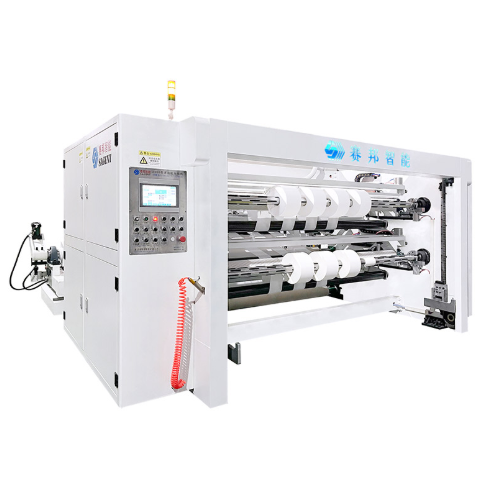
A Slitting Machine is a piece of equipment used to cut a wide parent roll into narrower rolls with cleaner, more controlled widths. In simple terms, it takes one large roll of material and turns it into several smaller rolls that are easier to use in later production, packing, storage, or sale. This is why slitting machines are common in paper converting, packaging, hygiene materials, nonwoven processing, and other roll-to-roll industries.
For many buyers, the question is not only what a slitting machine is. The bigger question is what kind of slitting machine makes production easier, more stable, and more efficient over time. That is where a paper roll slitting machine becomes important. In real factory use, the machine is not just cutting material. It is also controlling tension, protecting edge quality, improving roll consistency, and helping the next production step run more smoothly.
Why Slitting Matters In Real Production
A wide roll is useful at the raw material stage, but it is rarely the final format needed on the factory floor. Most downstream processes require narrower rolls in exact sizes. If the width is inconsistent, the edges are rough, or the roll tension is unstable, the next process becomes slower and less reliable.
That is why slitting is such a practical step in manufacturing. It helps turn bulk raw material into working material. For paper products, packaging lines, sanitary materials, and coated or laminated rolls, this affects not only efficiency but also product quality. A good slitting result reduces waste, makes handling easier, and supports smoother batch production.
What A Paper Roll Slitting Machine Actually Does
A Paper Roll Slitting Machine unwinds a large roll, cuts it into narrower sections, and rewinds each section into finished rolls. That sounds simple, but the real value is in how accurately and steadily the machine does this.
In daily production, the machine needs to keep the material moving smoothly, hold the right tension, and rewind the finished rolls evenly. If any of these points are unstable, the output quality drops quickly. Edges may wrinkle, the roll may become too loose or too tight, or the final width may not match the order. That is why buyers usually care about more than speed alone. They also care about tension control, edge quality, and machine stability.
Why This Equipment Matters For B-End Buyers
For importers, converters, factory managers, and project buyers, choosing the right slitting machine is a business decision, not only a technical one. A machine that runs well can improve material utilization, reduce manual correction, and help maintain more consistent output across large orders. A machine that performs poorly may create waste, increase downtime, and push up labor cost.
This is why serious buyers often look beyond the basic machine category. They want equipment that fits the materials they process, the widths they need, and the order structure they handle every day. If the production line deals with mixed specifications, frequent width changes, or long hours of continuous operation, then stability becomes just as important as raw cutting ability.
Why Multifunction Capability Matters
A slitting machine becomes much more valuable when it can handle more than one material type. In real factories, production plans often change. One line may process packaging paper, then air-laid paper, then laminated material or nonwoven rolls. If the machine is too narrow in application, it limits flexibility.
Our machine is built for that kind of wider use. It is designed to process paper rolls as well as several related roll materials, which makes it more practical for factories that handle mixed orders or different product categories. That matters for buyers because flexible equipment is easier to integrate into a growing business. It gives more room for order changes without forcing the factory to invest in a separate machine for every material type.
Why Speed Alone Is Not Enough
Many buyers look at machine speed first, and that is understandable. Higher speed suggests higher output. But in slitting, speed only has value when it stays stable. If the machine runs fast but creates edge defects, tension fluctuation, or frequent stops, the real output is not as good as it looks on paper.
That is why machine structure and control matter so much. A good slitting machine should stay steady at working speed, not just reach a high number during testing. For long production runs, this makes a real difference. Buyers usually want a machine that can keep quality consistent while still supporting decent output, especially when the orders involve multiple widths and repeat production.
Why Tension Control Is One Of The Most Important Parts
Tension is one of the key reasons some slitting machines perform better than others. If tension is not controlled well, the material may stretch, wrinkle, drift, or rewind unevenly. This is especially important for thinner paper, nonwovens, and laminated materials where edge quality and roll shape affect the next process.
A stable tension system helps the machine keep the material under control from unwinding to rewinding. For buyers, this means better finished rolls, less waste, and easier downstream handling. It also improves production confidence, because operators spend less time correcting problems during the run.
Why Continuous Operation Matters In Factory Use
In many production environments, the machine is expected to run for long hours. That means the frame, transmission structure, and key components need to handle continuous industrial work without becoming unstable. Buyers who run high-volume orders usually care a lot about this point, because frequent downtime affects the whole line.
This is one reason machine durability matters so much in the buying decision. A slitting machine is not a short-term tool. It is part of the factory’s long-term production plan. If the machine can maintain steady output over time, the investment makes much more sense.
Why OEM And ODM Matter In Equipment Supply
For many overseas buyers, equipment sourcing does not stop at choosing a standard machine. Some need specific width ranges. Some need the machine to match their local production habits. Some need electrical setups, knife configurations, or workflow details adjusted to their process. That is where OEM and ODM support become important.
A supplier that can support customization is often more useful than one that only offers a fixed model. In machinery business, customization is not just about branding. It is about making sure the machine fits the real production job. That helps buyers reduce risk and improve the chance of smoother installation and long-term use.
Why This Machine Fits Practical Production Needs
Our slitting machine is designed for factories that need accurate slitting, reliable rewinding, and more flexible material handling in one system. It works well for paper-based materials and related roll goods, and it supports industrial production where width control, stable tension, and long-run consistency all matter.
For buyers, that makes the equipment easier to understand from a business point of view. It is not only a cutting machine. It is a production tool that helps improve roll conversion, reduce unnecessary waste, and support better order consistency.
Conclusion
So, what is a slitting machine? It is a machine that turns large rolls into smaller, more usable rolls with controlled width, stable rewinding, and cleaner production flow. In paper and roll-material processing, that role is more important than it first appears, because it directly affects efficiency, quality, and downstream performance.
A well-designed Paper Roll Slitting Machine gives buyers more than basic cutting ability. It supports better production control, wider material use, and more reliable long-term output. If you are looking for a supplier for wholesale equipment projects, OEM or ODM cooperation, or a machine that fits your current production line more closely, feel free to contact us. Share your material type, width requirements, and output goals, and we can help you work out a more suitable solution.
Previous: What Is An Embossing Machine?
Next: How Much Is A Laminator?