


How To Use A Laminating Machine?
Understanding how to use a Laminating Machine goes beyond basic operation. In real production, it is not just about turning on the machine and feeding materials through it. It is about controlling heat, pressure, speed, and material flow in a way that delivers stable bonding and consistent output. If any of these elements are not well balanced, problems such as bubbles, weak adhesion, wrinkles, or uneven tension can appear quickly.
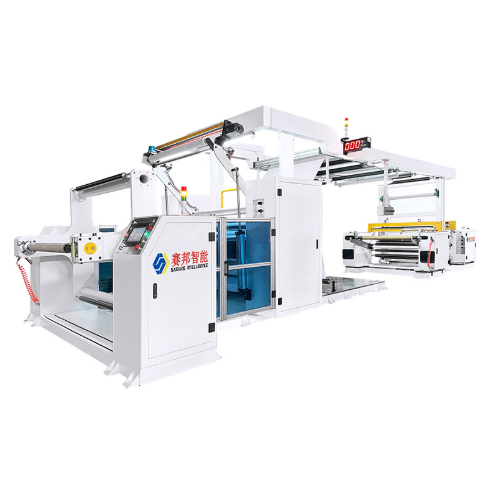
A non woven fabric laminating machine is designed for continuous production, where materials move through multiple sections including unwinding, laminating, trimming, and rewinding. The model shown here is built for that type of workflow, with a working width of 1200 mm and a design speed reaching up to 100 meters per minute. It is intended for stable, repeatable production rather than occasional use.
Understanding The Laminating Process
Before getting into operation steps, it is important to understand what lamination actually does. The process combines two or more layers into a single material structure using heat and pressure. In nonwoven applications, this is often used to improve strength, create functional layers, or enhance surface performance.
The key point is that lamination is not a fixed process. Different materials react differently to heat and pressure. A setting that works well for one structure may not work for another. That is why operators need to treat the machine as an adjustable system rather than a fixed tool.
For buyers and production managers, this is one of the main concerns. A machine may have strong specifications, but what really matters is whether it can adapt to different materials without causing instability.
Preparing Before Starting The Machine
Preparation is one of the most overlooked steps, but it has a direct impact on production results. Before starting the machine, the operator should confirm the material type, roll size, and final winding requirements.
On this model, the unwinding diameter can reach 1000 mm, while the winding diameter goes up to 1300 mm. The working width is 1200 mm, so material size needs to stay within that range. Making sure the material fits correctly from the beginning helps avoid alignment issues later.
It is also important to check that all rollers are clean and free from dust or residue. Even small particles can affect bonding quality or create visible marks on the finished material. A clean start usually leads to a more stable production run.
Setting Temperature, Pressure, And Speed
These three parameters work together and should always be adjusted as a group rather than individually.
The temperature range of this machine is typically between 150°C and 200°C. This provides enough flexibility to handle different material types. Pressure is applied to bring the layers into close contact, while speed controls how long the material stays under heat and pressure.
In actual production, it is not always best to run at maximum speed. Although the machine can reach 100 meters per minute, stable output often requires starting at a lower speed and increasing gradually once bonding quality is confirmed. Many production issues come from trying to push speed before the process is fully stable.
For B-end buyers, this is a common challenge. A machine may be fast, but if it cannot maintain consistent quality at that speed, it does not deliver real value.
Managing Material Feeding And Tension
Once the machine is running, material feeding becomes the next key point. The material should move smoothly through the system without sudden changes in tension.
If tension is uneven, the operator may see wrinkles, edge misalignment, or unstable winding. Over time, these issues can affect not only appearance but also product performance.
Maintaining stable tension requires attention to both the mechanical system and the control settings. Regular calibration of the tension system helps keep the material path consistent. This is especially important in continuous production, where small variations can build up over long runs.
Monitoring Production In Real Time
A laminating machine should always be monitored during operation. Even when the setup is correct, conditions can change over time.
This machine is designed to provide real-time feedback on temperature, pressure, and speed. This allows operators to make adjustments during production rather than waiting until problems appear in the final product.
For example, if the surface starts showing slight unevenness or bonding strength begins to drop, small adjustments can be made before the issue becomes more serious. This kind of control helps reduce material waste and improves overall production efficiency.
Adapting To Different Applications
One of the advantages of this type of laminating machine is its flexibility. It can be used for nonwoven fabrics, hygiene products, medical materials, filtration layers, and other composite applications.
Each application has its own requirements. Some need stronger bonding, while others focus more on softness or flexibility. This means the operator needs to adjust the process based on the product, not rely on a single standard setting.
For buyers, this flexibility is important. A machine that can handle multiple product types reduces the need for additional equipment and allows production lines to adapt to changing demand.
Importance Of Daily Maintenance
Using a laminating machine properly also includes maintaining it regularly. Production performance depends not only on settings but also on machine condition.
Routine checks should include cleaning, lubrication, and inspection of moving parts. Transmission components such as belts and gears should be monitored to ensure smooth operation. Electrical systems should also be checked to avoid unexpected interruptions.
Over time, even small wear can affect performance. Addressing these issues early helps prevent downtime and keeps production stable.
Conclusion
So, how to use a laminating machine in a practical way? It starts with proper preparation, followed by careful adjustment of temperature, pressure, and speed. Stable material feeding and continuous monitoring are essential during operation, and regular maintenance ensures long-term reliability.
A non woven fabric laminating machine like the one shown here is built to support continuous production with adjustable control and consistent output. When used correctly, it can handle a wide range of materials while maintaining stable quality.
If you are evaluating laminating machines for your production line or want to understand how to match equipment with your materials, feel free to contact us. We can help you review your requirements and provide practical suggestions based on your application.
Previous: How Much Is A Laminator?