


What Is Slitting Machine?
A Slitting Machine is a converting machine used to cut a wide roll of material into narrower rolls with precise width and stable edges. In real production, it is not just about cutting. It directly affects efficiency, material usage, and final product quality. This is especially important in nonwoven processing, where consistency and edge quality are critical. That is why a non woven roll slitting machine is often a key part of the production line. The model on this page is designed for wide nonwoven materials, with a working width of 2400–3600 mm and a running speed up to 200–450 m/min, making it suitable for high-volume converting work.
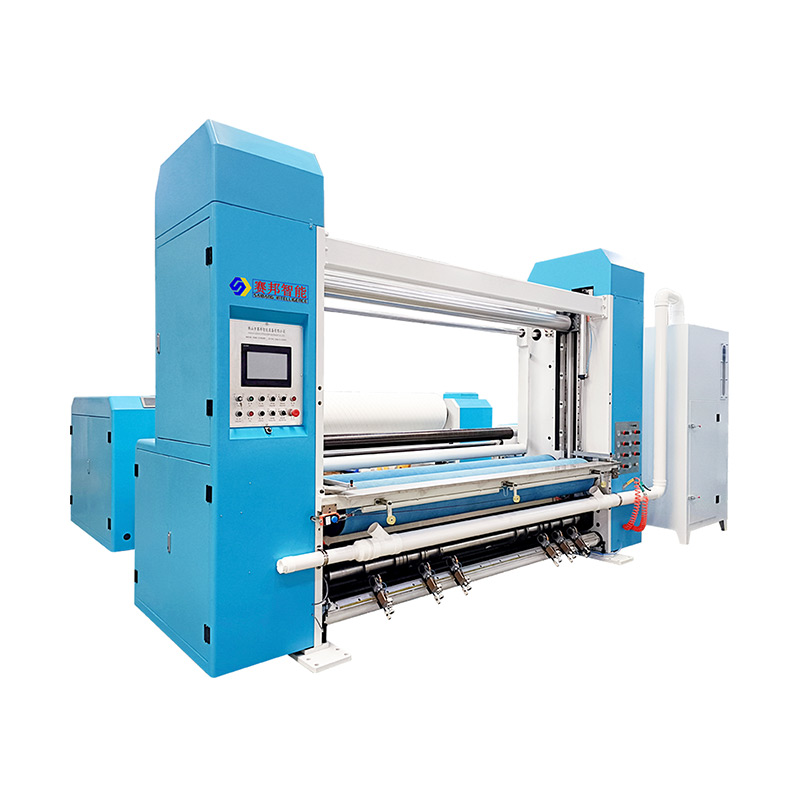
How A slitting machine Works
The process is simple in structure but important in control. A large parent roll is first loaded into the unwinding section. The material then passes through tension control and is cut into narrower strips by the slitting system. After cutting, each strip is rewound into finished rolls.
What matters here is not only the cutting action, but how stable the process is. A good machine keeps the material running evenly, controls tension properly, and ensures each finished roll is clean and consistent. This machine uses servo-driven control, which helps keep speed and accuracy stable during high-speed operation.
Why Slitting Matters In Production
In most factories, raw material is produced in wide rolls, but final products require different widths. Without proper slitting, manufacturers face uneven edges, unstable rolls, and higher material waste.
For B-end buyers, this is the real concern. A slitting machine is not just equipment. It is part of the production system. If slitting quality is poor, it affects everything downstream, from converting to packaging.
This non woven roll slitting machine supports a wide range of materials such as spunbond, melt-blown, air-laid, and other nonwoven fabrics. That flexibility helps manufacturers handle different product lines without changing equipment.
What Buyers Should Focus On
When choosing a slitting machine, buyers usually look at three things: width range, speed, and stability. This model handles large rolls with an unwinding diameter up to 1600 mm and rewinding diameter up to 1200 mm, which makes it suitable for continuous production.
Speed alone is not enough. What matters more is usable speed. A machine that runs fast but requires frequent adjustments will reduce overall efficiency. Features like automatic control, stable tension, and quick roll change help improve real production output.
Why Precision Is Important
Small errors in slitting can lead to bigger problems later. If the width is not accurate or edges are not clean, the next production step may fail or slow down.
This machine focuses on precise slitting and clean edges, which is especially important in industries like hygiene, medical materials, and industrial nonwovens. Consistency in roll width and quality helps reduce rejection rates and improves production flow.
Where Slitting Machines Are Used
Slitting machines are widely used in industries that process roll materials. In this case, the machine is designed for nonwoven applications such as medical products, hygiene materials, household wipes, and industrial fabrics.
Because it can handle multiple material types, it gives manufacturers more flexibility. Instead of using different machines for different products, one system can support a wider range of production needs.
Conclusion
A slitting machine is used to convert wide rolls into narrower rolls with controlled width and consistent quality. In nonwoven production, it plays a key role in improving efficiency, reducing waste, and ensuring stable output.
A machine like this non woven roll slitting model combines wide material handling, high speed, and reliable control, making it suitable for modern production lines.
If you are planning a slitting line or upgrading your current setup, feel free to contact us. We can help you choose the right configuration based on your material and production needs.
Previous: